
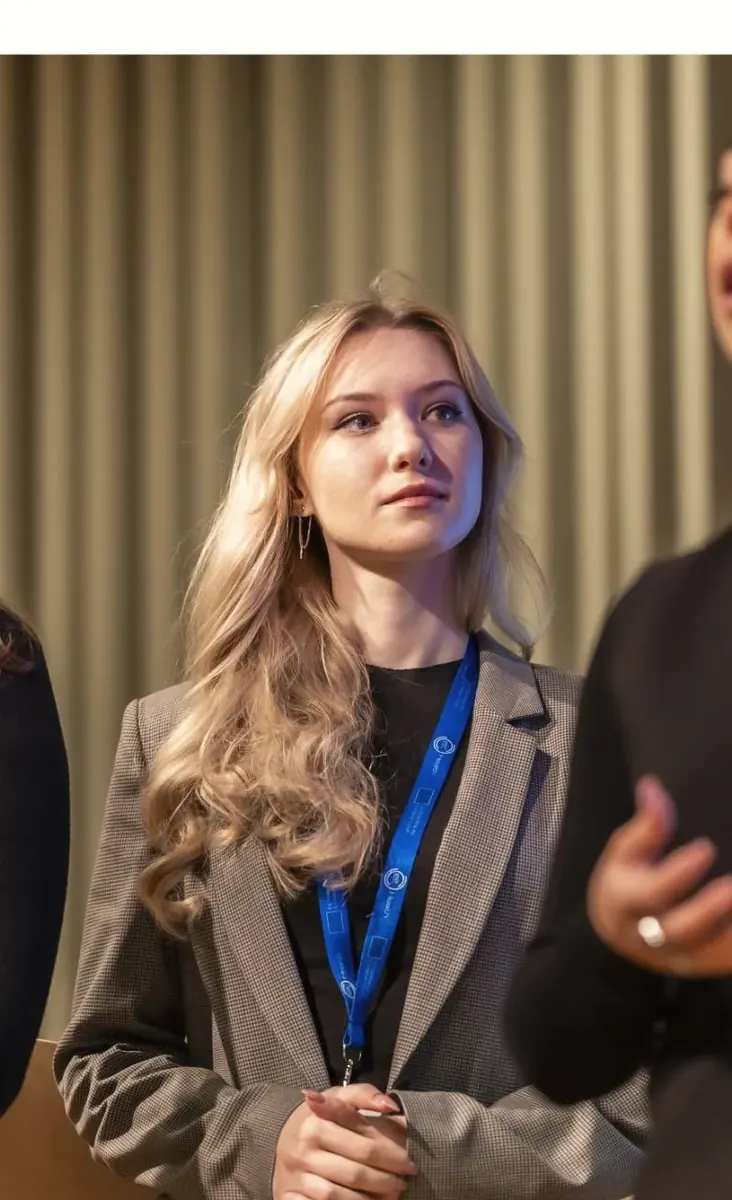
EIT Health
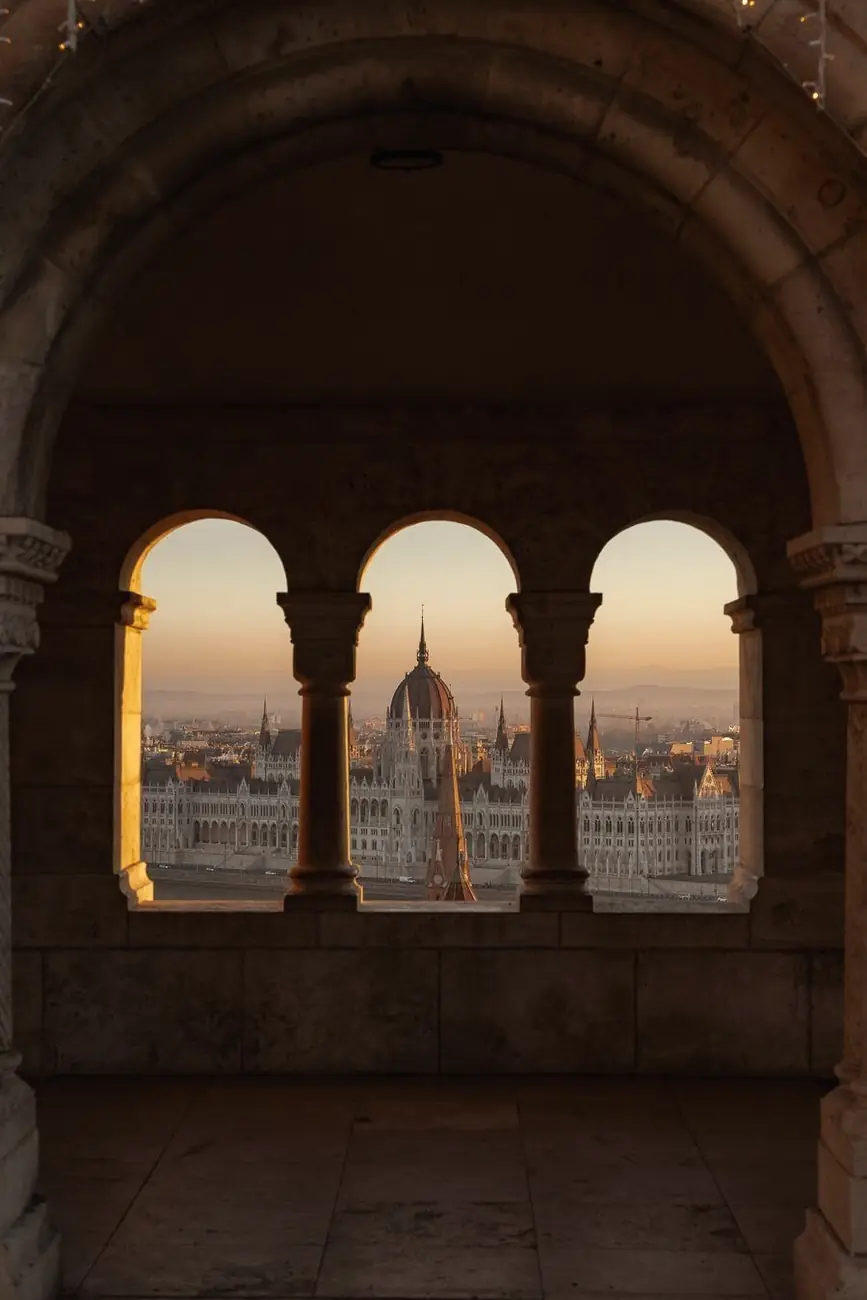
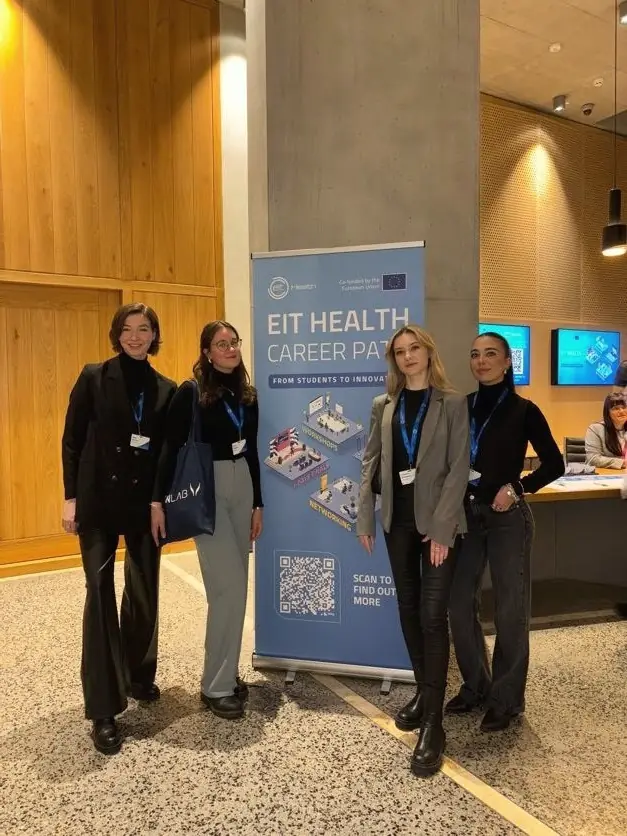
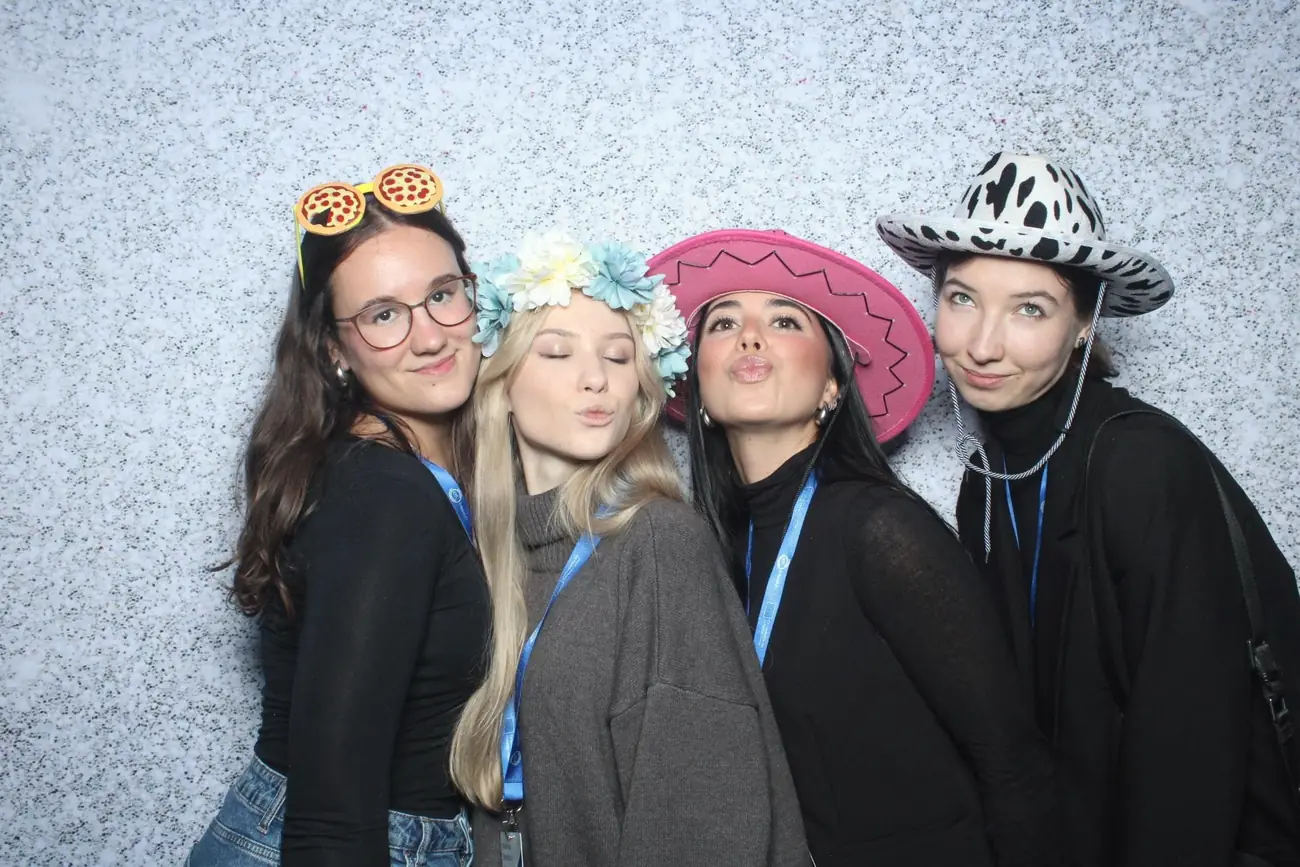
3rd place at the i-Days international final
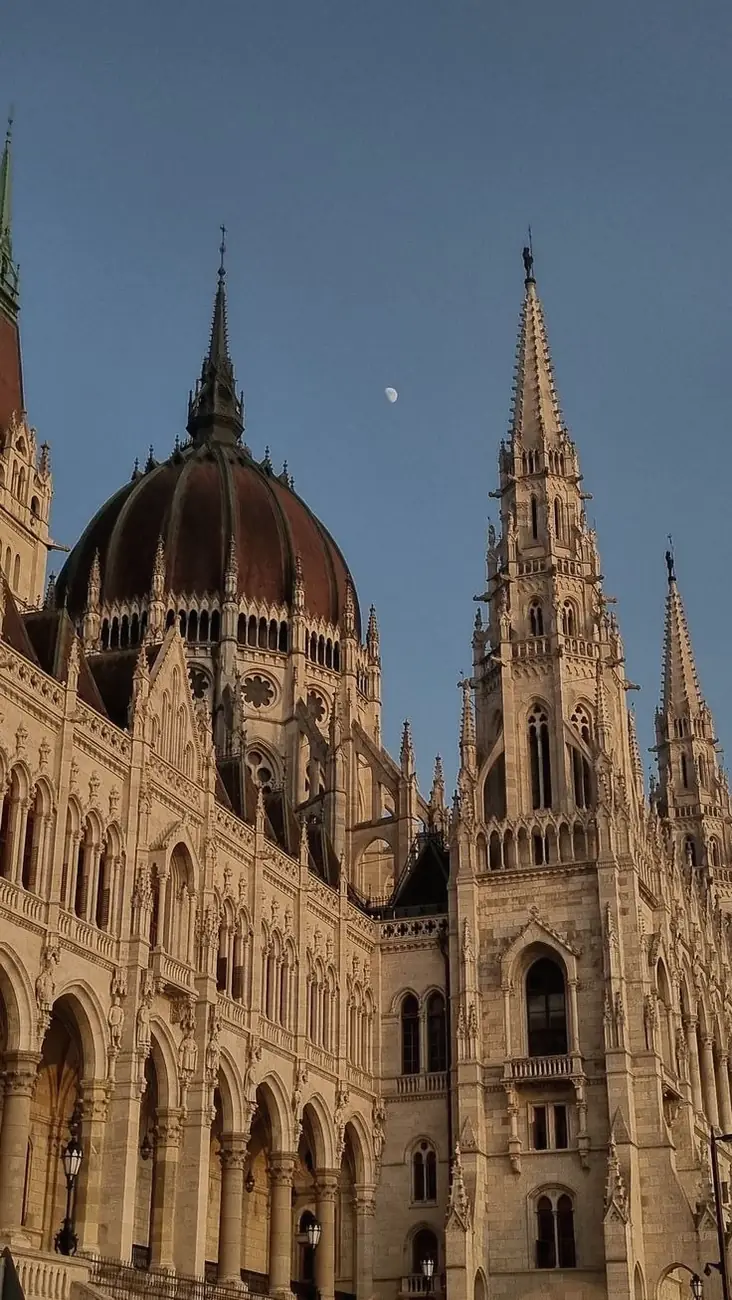
Budapest, December 2024 · ReViva, pitched to Europe's health-innovation community.
a life in chapters, from the snow to the sun
From a small town in Siberia to a degree in Artificial Intelligence in Milano. This is how it happened.

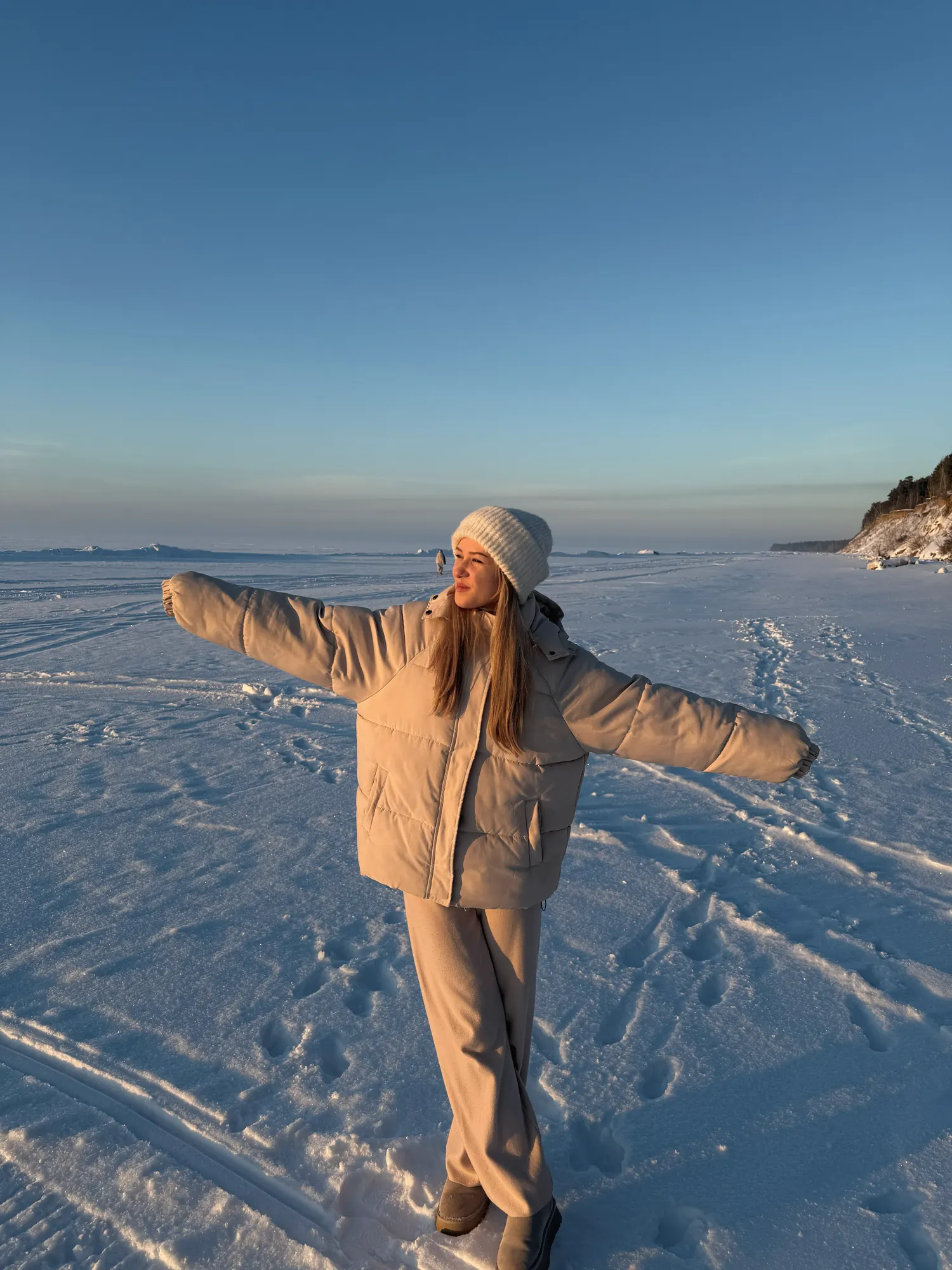
I was born in Berdsk, a small town in Siberia, and I always knew the big world was calling me. I just didn't know yet how loud I'd have to answer.
I wasn't a diligent child. My mother signed me up for ballroom dancing, gymnastics and music school (eight years of it, I counted), and I tested her patience at every one. I was quick enough to get B's without trying, and B's meant more time with friends. That seemed like a great deal.
B's were enough ✓At twelve I started going to olympiads and found out I was not as clever as I thought. At fourteen I got into SESC NSU, a boarding school for olympiad kids, and life showed me my own mediocrity up close. Everyone around me knew what they wanted. I kept asking myself: and what about me?
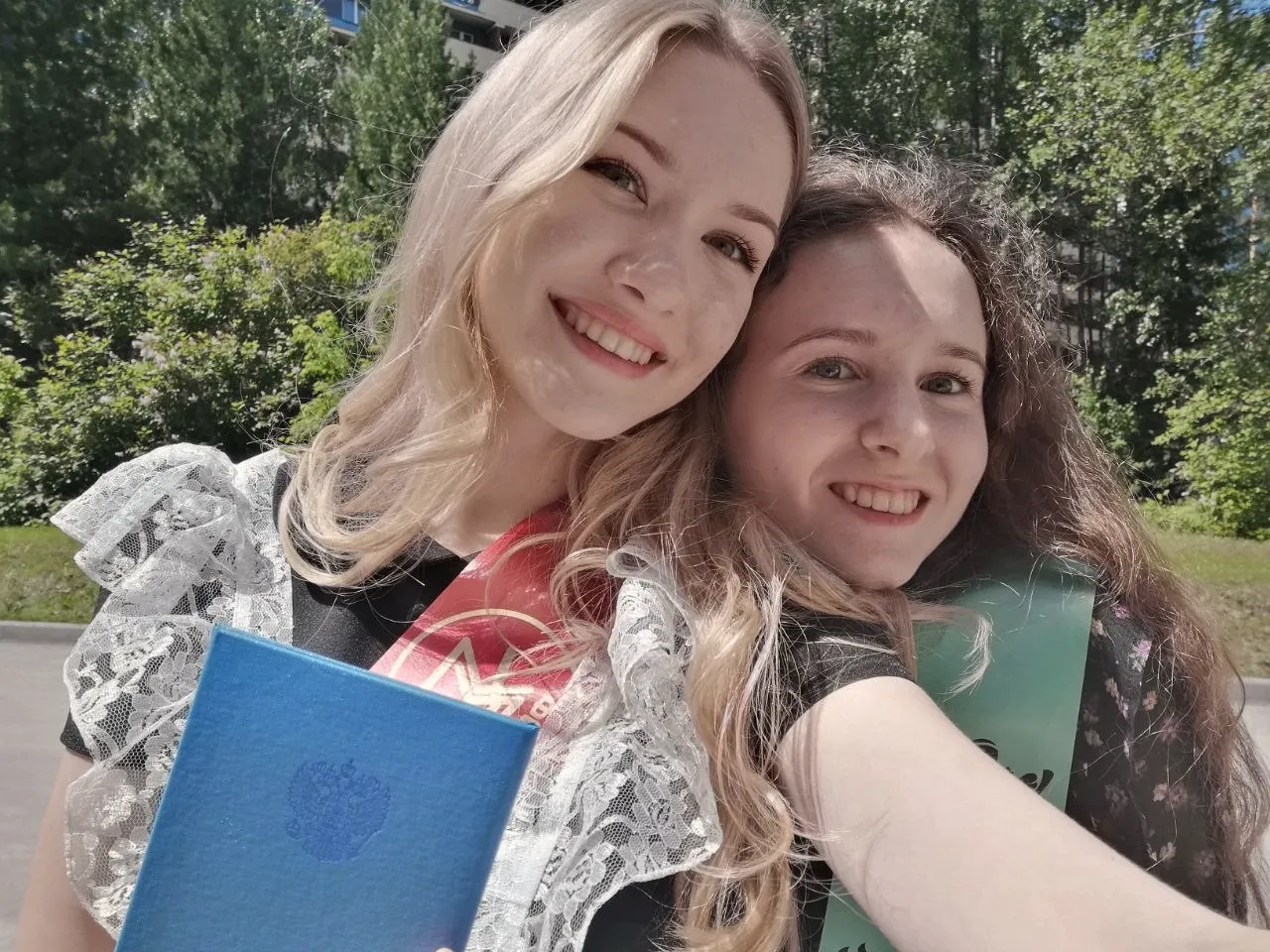
I was good at chemistry, so everyone expected a chemist or a doctor. It didn't pull me. In my last school year I chose IT without having written a single line of code. One summer of intensive Java, a year of Python, excellent state exams, and I was in: Saint Petersburg State University.
print("hello, world")
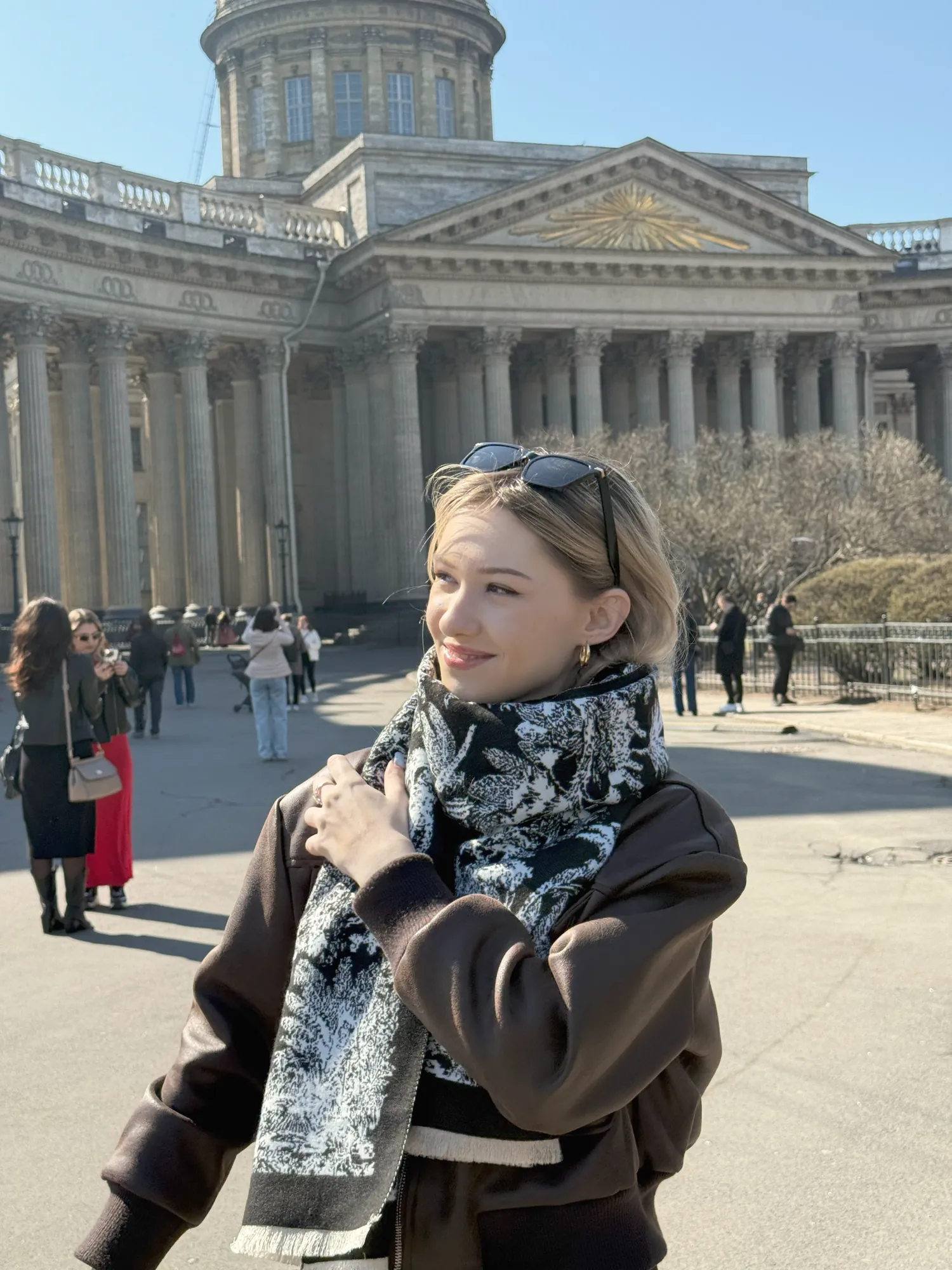
Petersburg had been my dream for years, and it turned out not to be my city. The grey pressed on me, and so did the feeling that the space around me was getting smaller. I remembered the little girl who wanted to see the world, and I started planning.
grey, grey, grey…
I researched universities in every country I could think of and saved money quietly: I wasn't ready to find out how Slavic parents react to “I'm dropping out” without a plan B. The choice fell on Italy and Artificial Intelligence, the first subject that ever truly caught me. Exams, a visa, two suitcases. I left my old life and went to meet a better one.
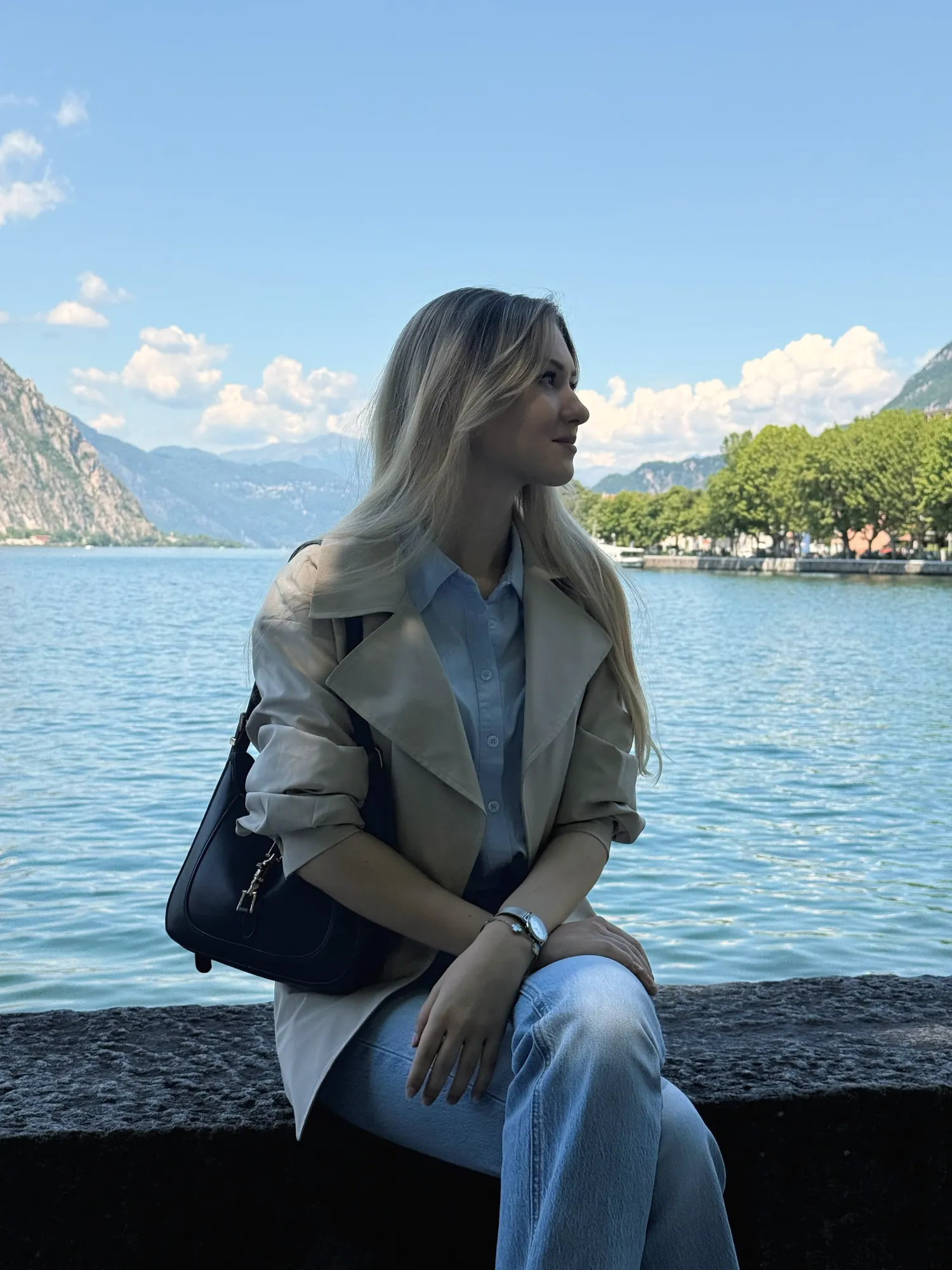
Italy stunned me almost at once: the beauty, the opportunities, and a way of seeing the world so different from mine. I closed my first year with top marks and realised I could do much more.
first year: top marks
So I kept checking. With my friends I started entering hackathons. The first one, SYNLab in Milan, we won with ReViva, an app for stroke rehabilitation with real-time feedback.
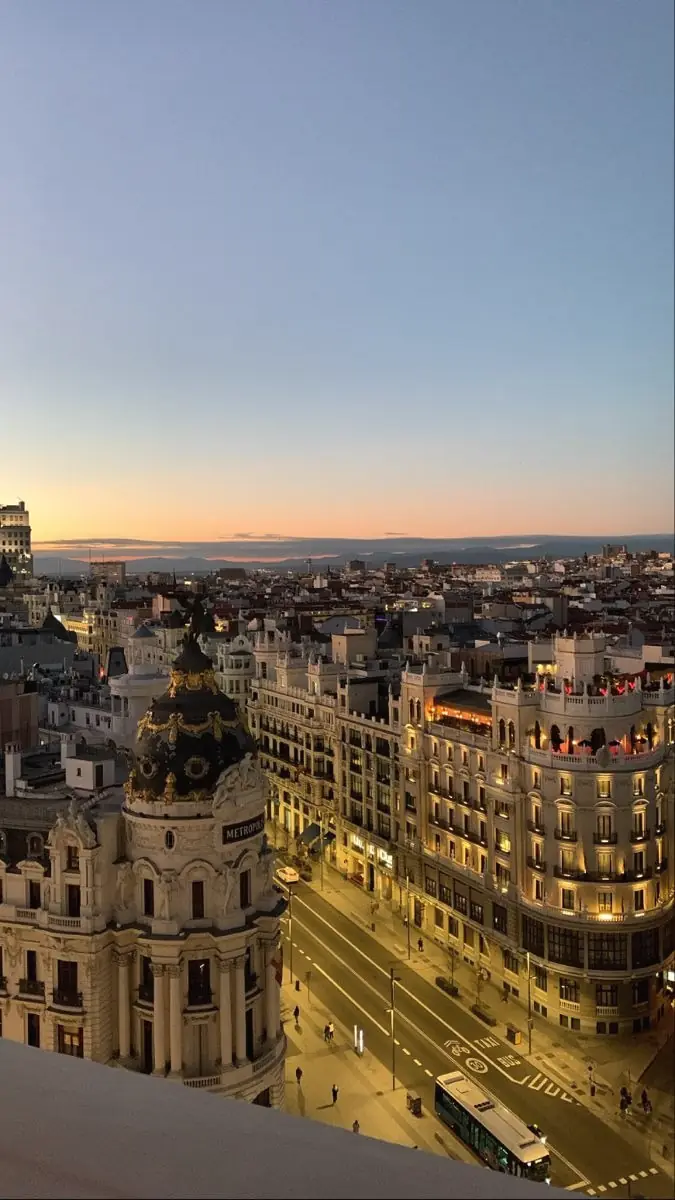
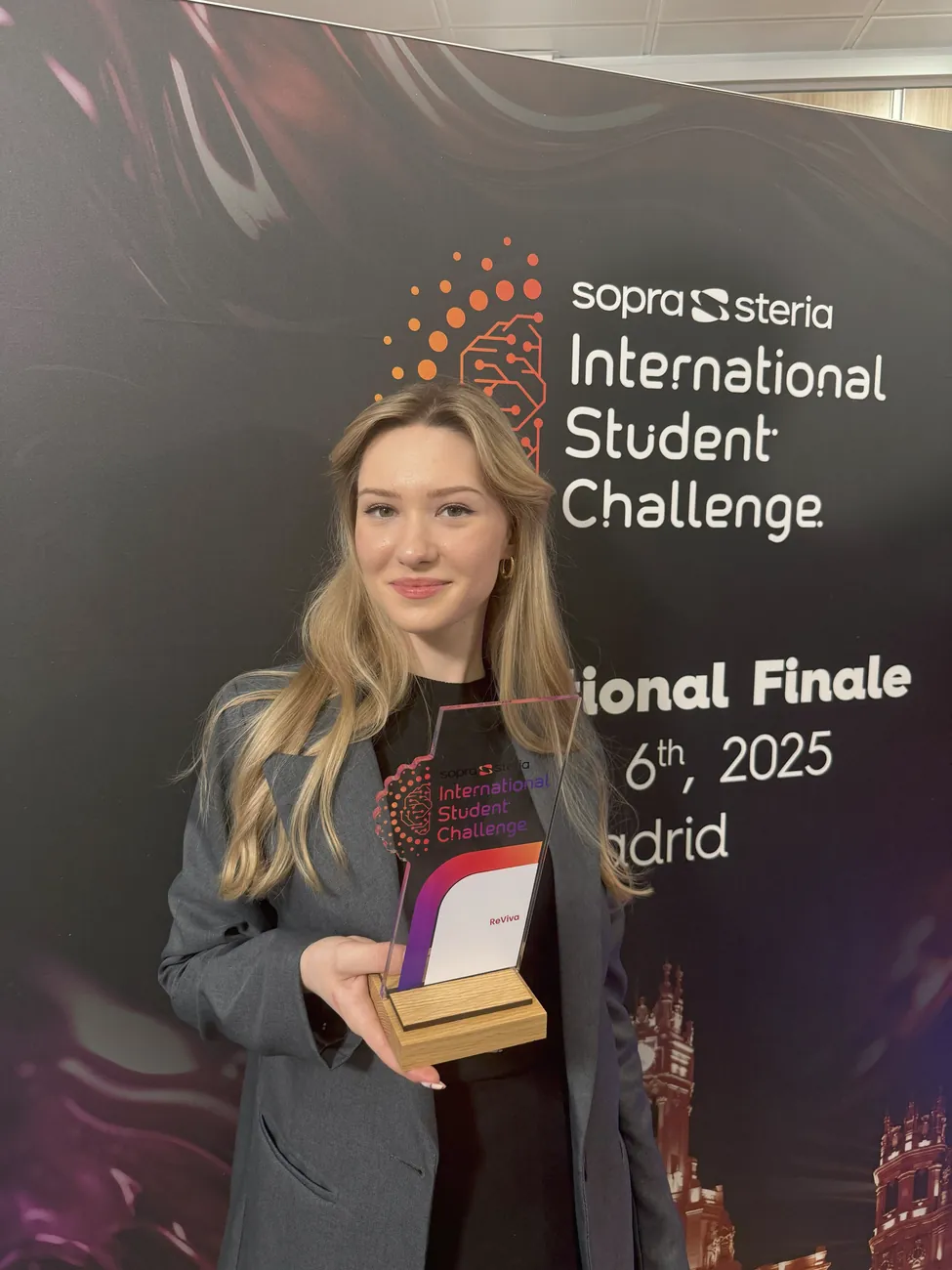
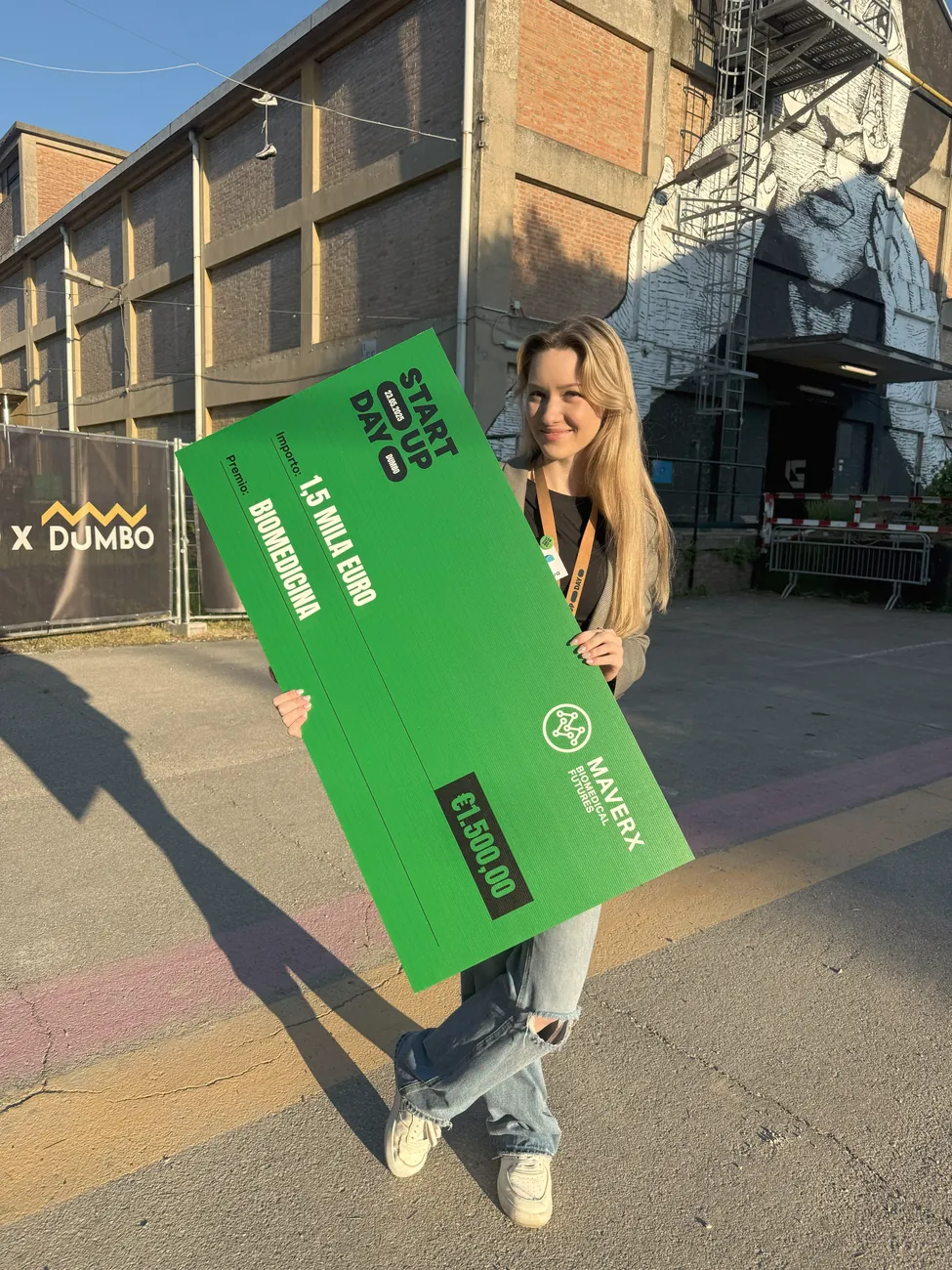
Then third place in Budapest, first in Italy and third in the world in Madrid. I wanted to know whether ReViva could become a company that really helps people: an entrepreneurship course, a mentorship with EIT Health, a bootcamp at Maverx, and a win in the biomedical category at Startup Day in Bologna. After that, many more hackathons, and a shelf of trophies for a girl who used to be happy with B's.
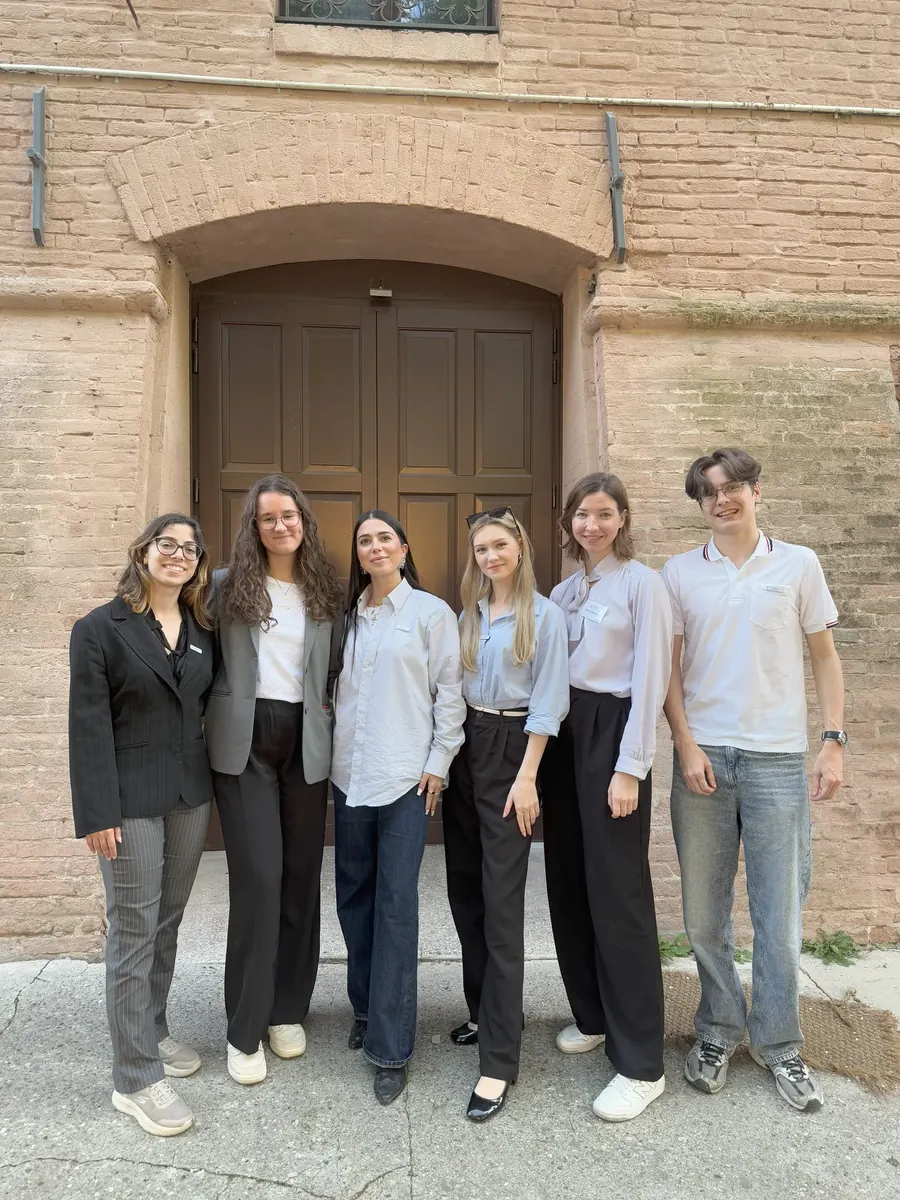
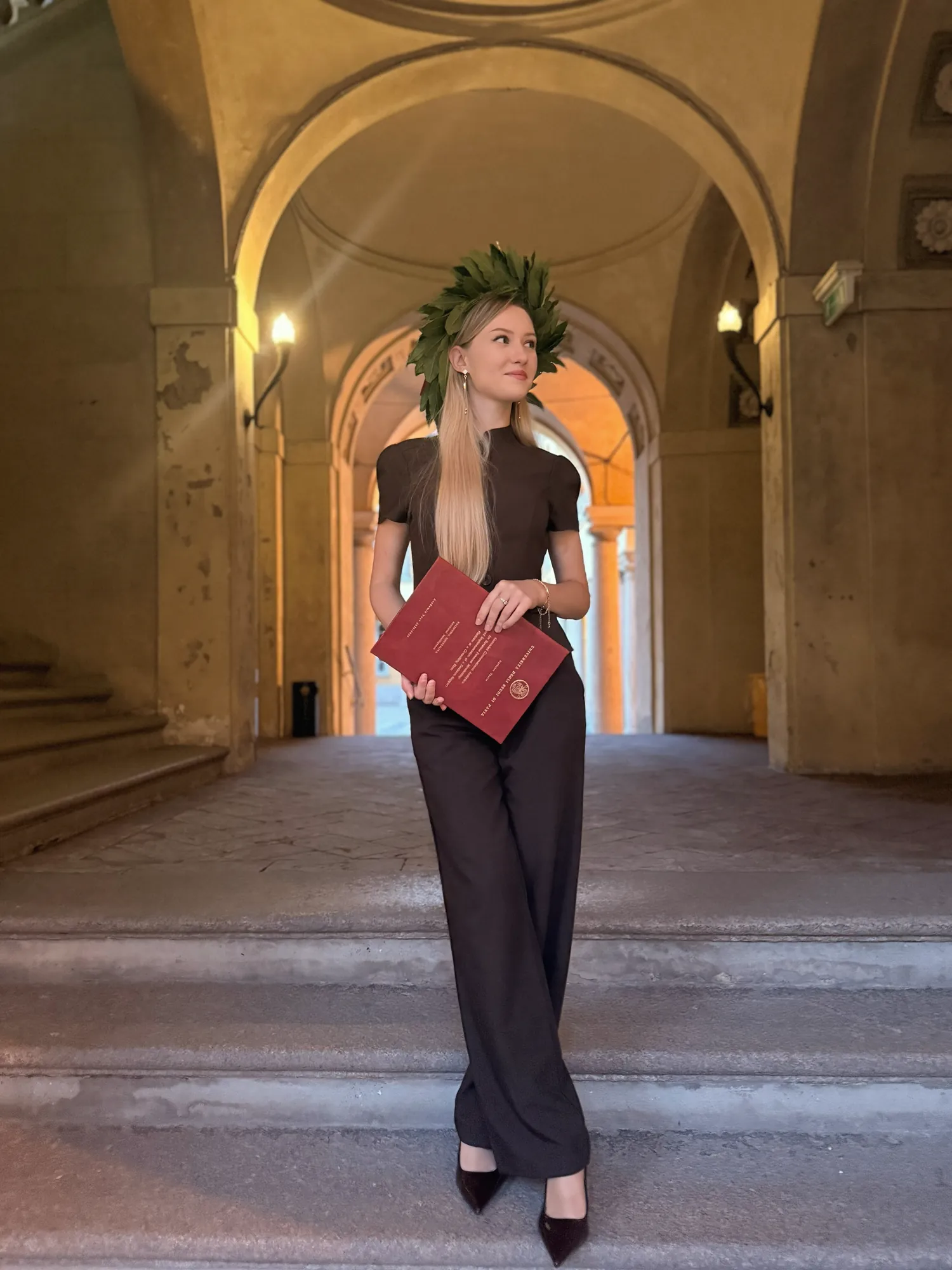
A few days ago I graduated in Artificial Intelligence, 110 cum laude, from the universities of Pavia, Milano Statale and Milano-Bicocca. The girl from Berdsk would not have believed it. I'm not sure I fully believe it yet.
110 cum laude!!
I'm an AI engineer in Milano. At Sopra Steria I build LLM tools that executives use to make decisions. Outside work I test ideas at hackathons, and for two years I've been turning one of them, ReViva, into a company that helps people recover after a stroke.
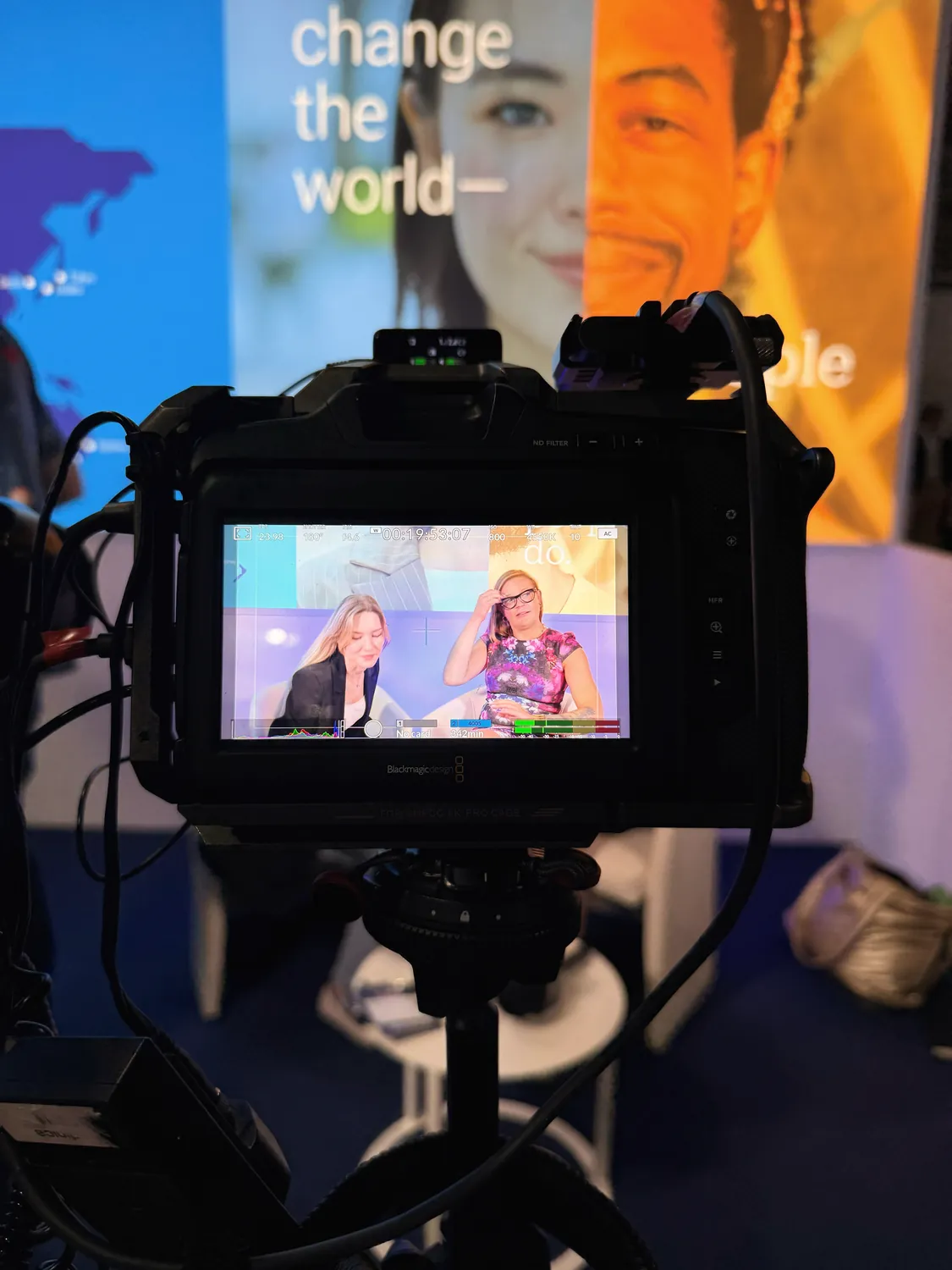
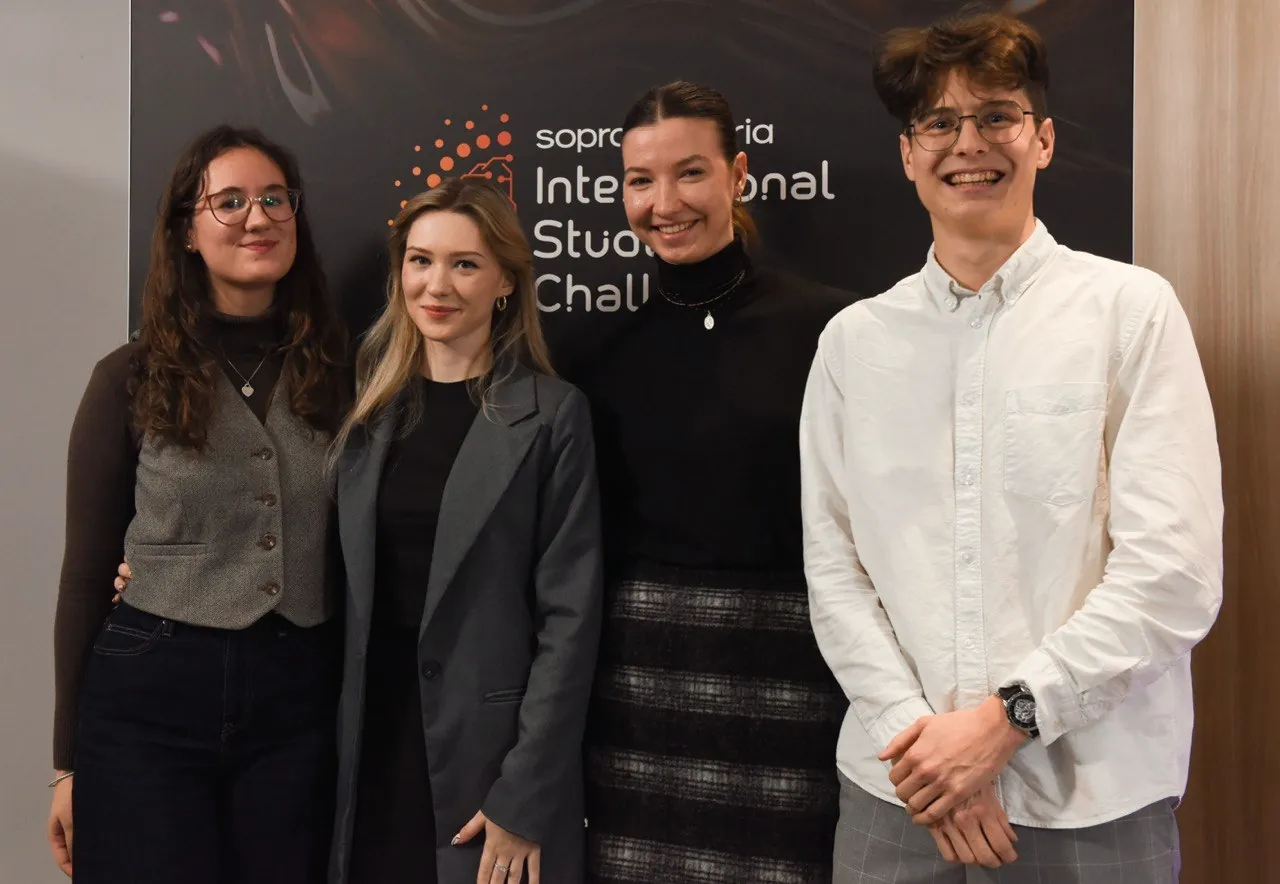
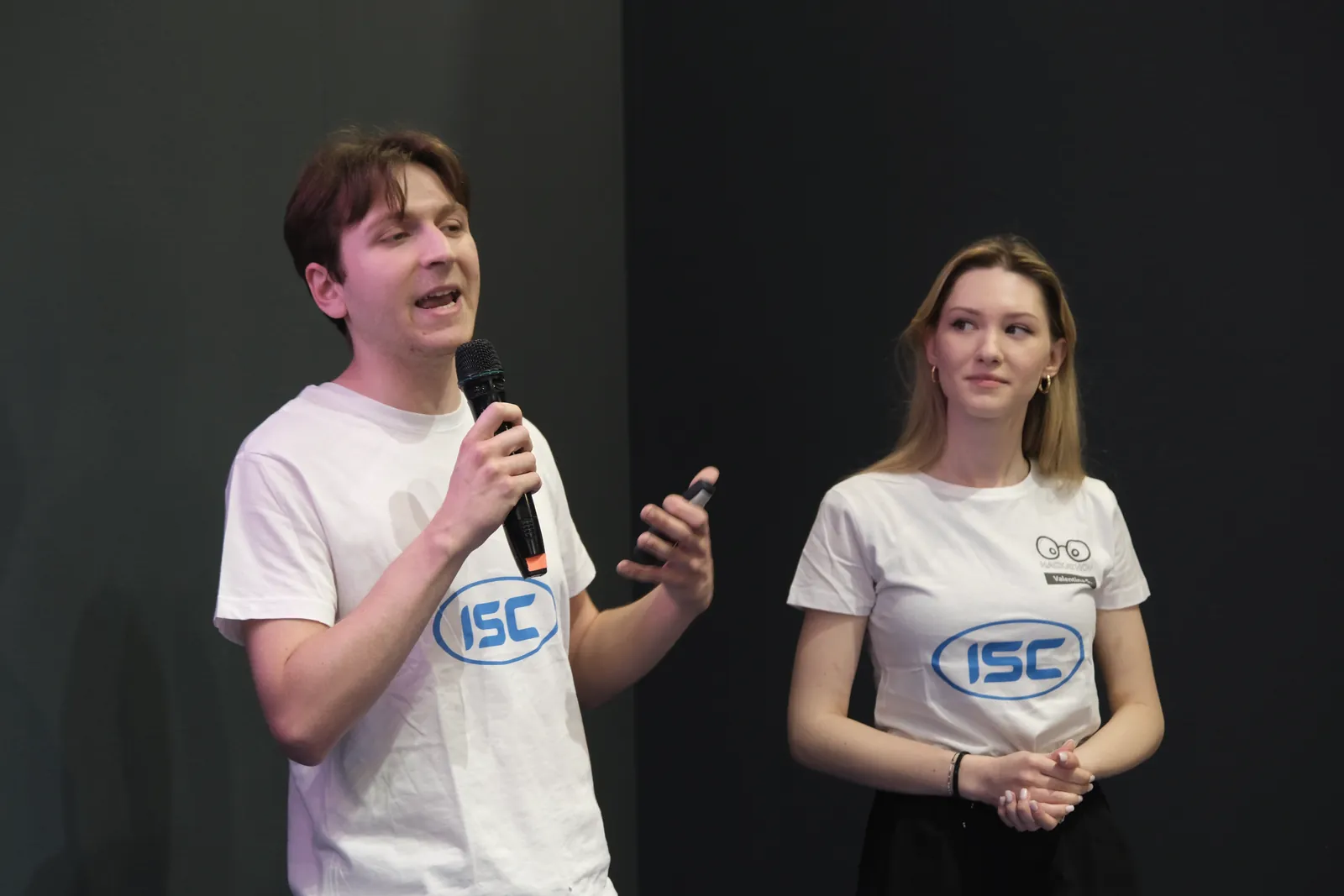
Budapest, December 2024 · ReViva, pitched to Europe's health-innovation community.
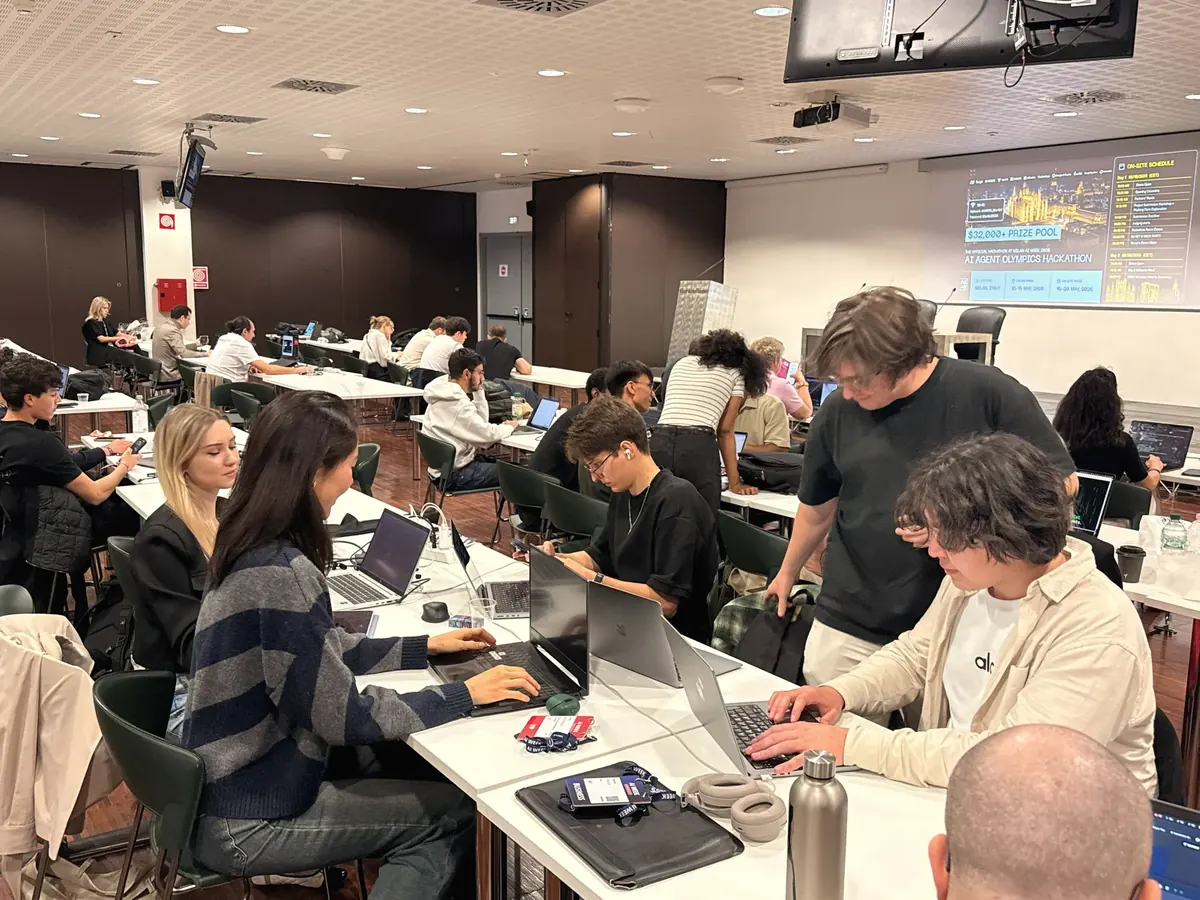
AI Agent Olympics, Milano, May 2026 · a meeting agent that remembers what the company already decided.
Milano, May 2026 · for ReViva, eighteen months after the first hackathon.
I build a conversational analytics platform for profit analysis and forecasting. The heads of 12 business units and the CEO use it in their monthly strategic meetings.
I led a multidisciplinary team (biology, AI, law, management) from a hackathon idea to an award-winning prototype, and through the first steps of turning it into a company. I built the machine-learning side myself.
See the whole pathMore than 300 students, with an average 60% improvement in their results. Teaching is where I learned to explain complex ideas simply and to adapt to the person in front of me.
From six-hour sprints to two-week builds: healthcare, retail search, finance, stadium cleaning, meeting agents. It's how I learn a new stack fast, and where I found out my limits are further than I thought.
An app that watches rehabilitation exercises through a camera and tells a patient, right away, whether the movement was right. It started as a weekend project. Here is what happened next.
The idea is born in a weekend and wins. For a team that met at university, it was the first sign this could be more than a project.
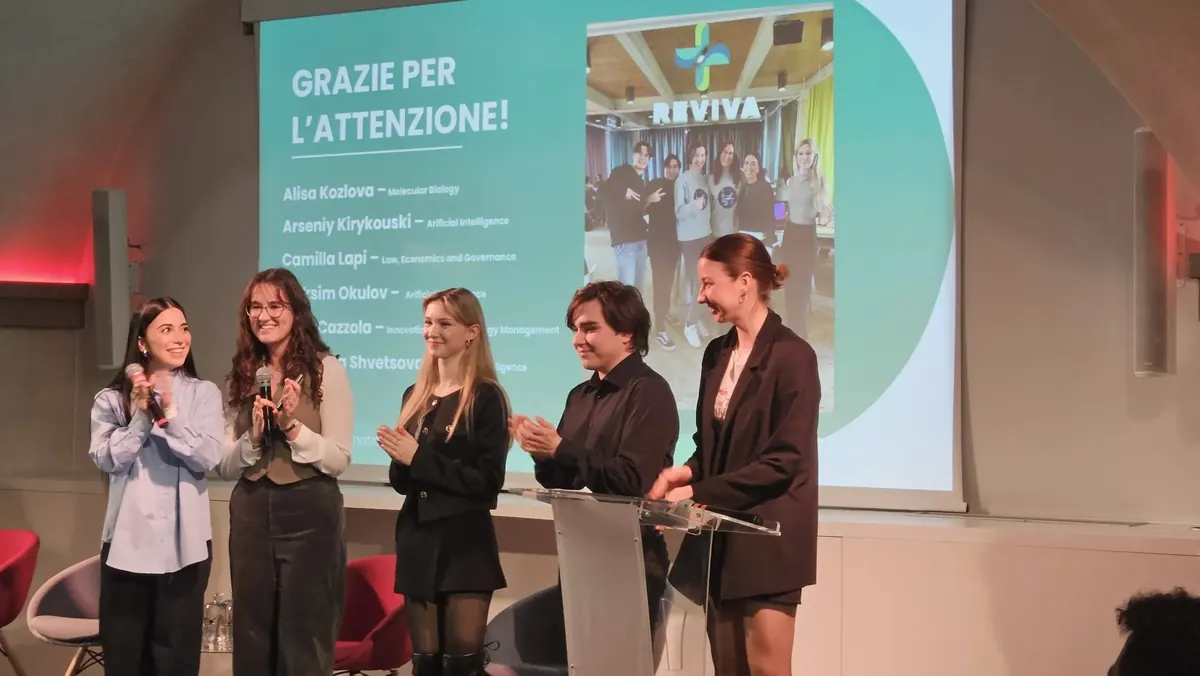
Our first international final, pitching to people who build health companies for a living.
A good model isn't a company. I took the Entrepreneurship course at the University of Pavia and EIT Health's Healthcare Entrepreneurship 101, and wrote our first business plan in the EIT Health mentoring programme with Paul Fox, PhD.
First place in Italy, then third at the international final in Madrid.
An intensive programme by the Maverx Foundation and Biomedical Valley for turning healthcare projects into companies: regulation, market, money, and many honest questions.
Right after the bootcamp, the first prize judged as a startup rather than as a hackathon project.
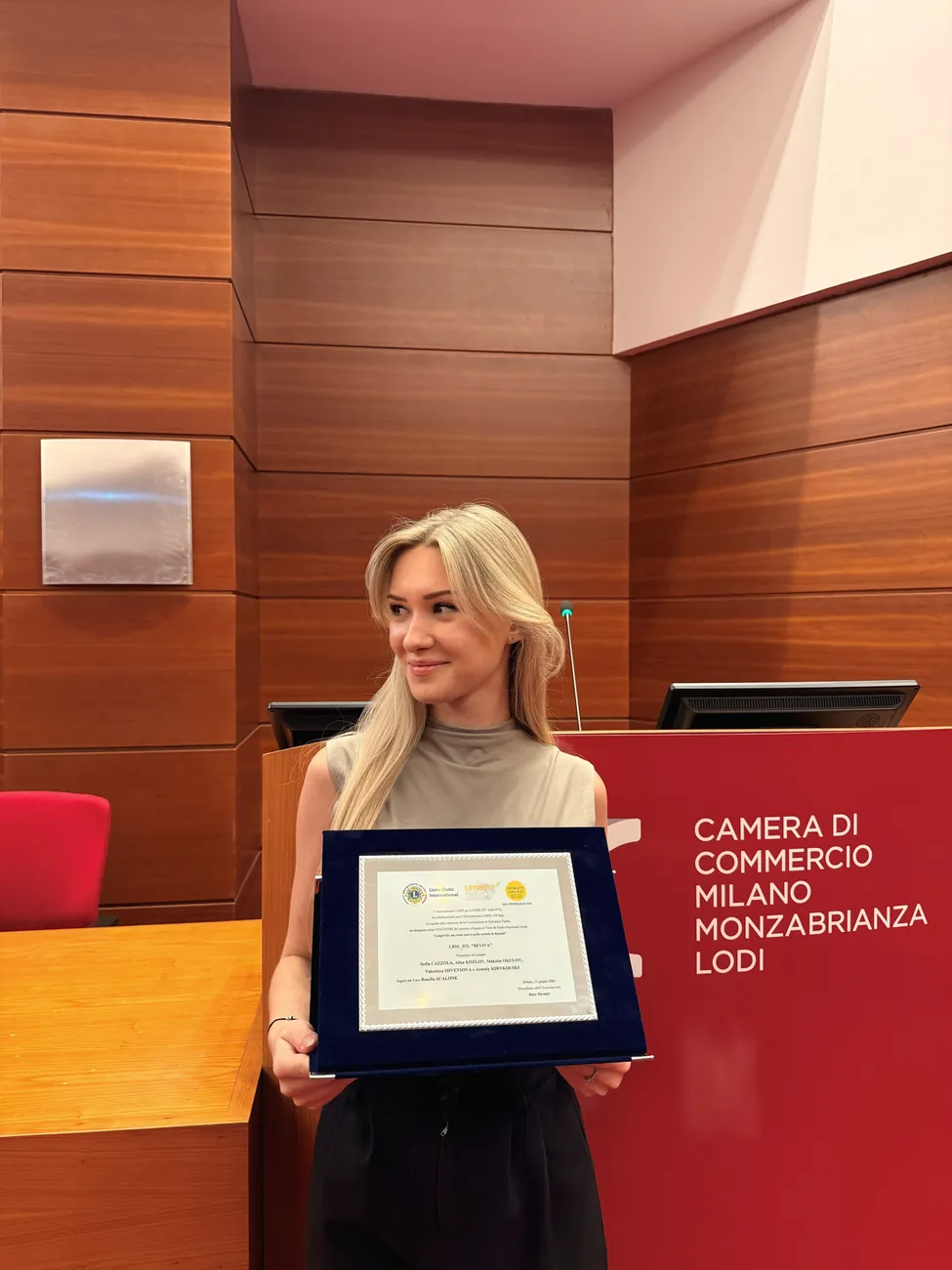
Awarded by Lions International. Eighteen months after that first weekend.
Real-time feedback on rehab exercises from a camera.
Read the story →Flags decisions that clash with what the company already knows.
Read the story →Turning messy grocery searches into real products.
Read the story →Search that knows whether you want a definition or advice.
Read the story →Two sprints on unfamiliar ground.
Read the story →A new tool, learned and shipped in a day.
Read the story →Type a grocery search the way people really do. The X5 model split it into clean pieces and matched them to the catalogue; this little toy shows the idea.
Runs in your browser with a small word list and a typo-tolerant match. The real thing was a fine-tuned BERT.
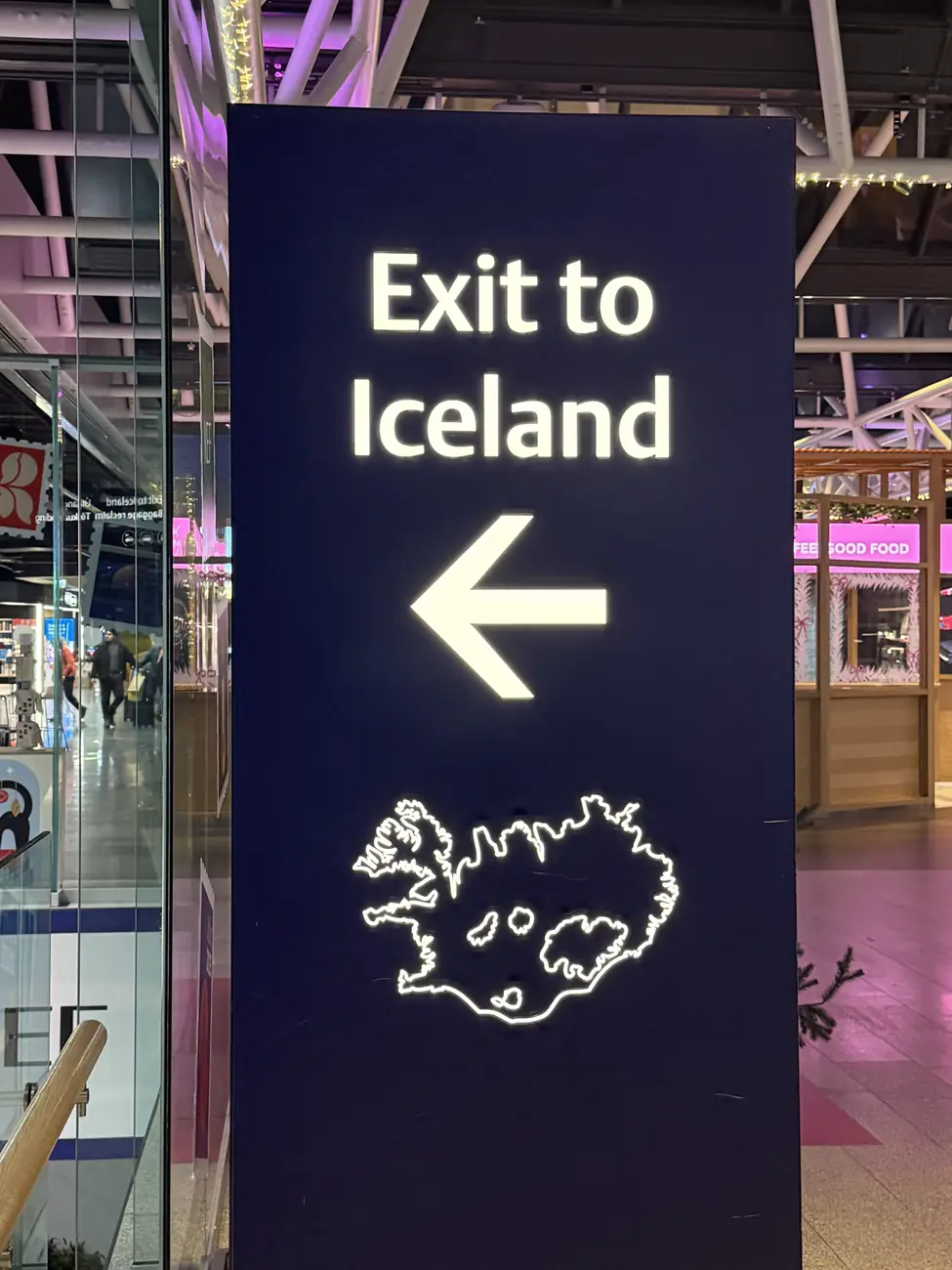
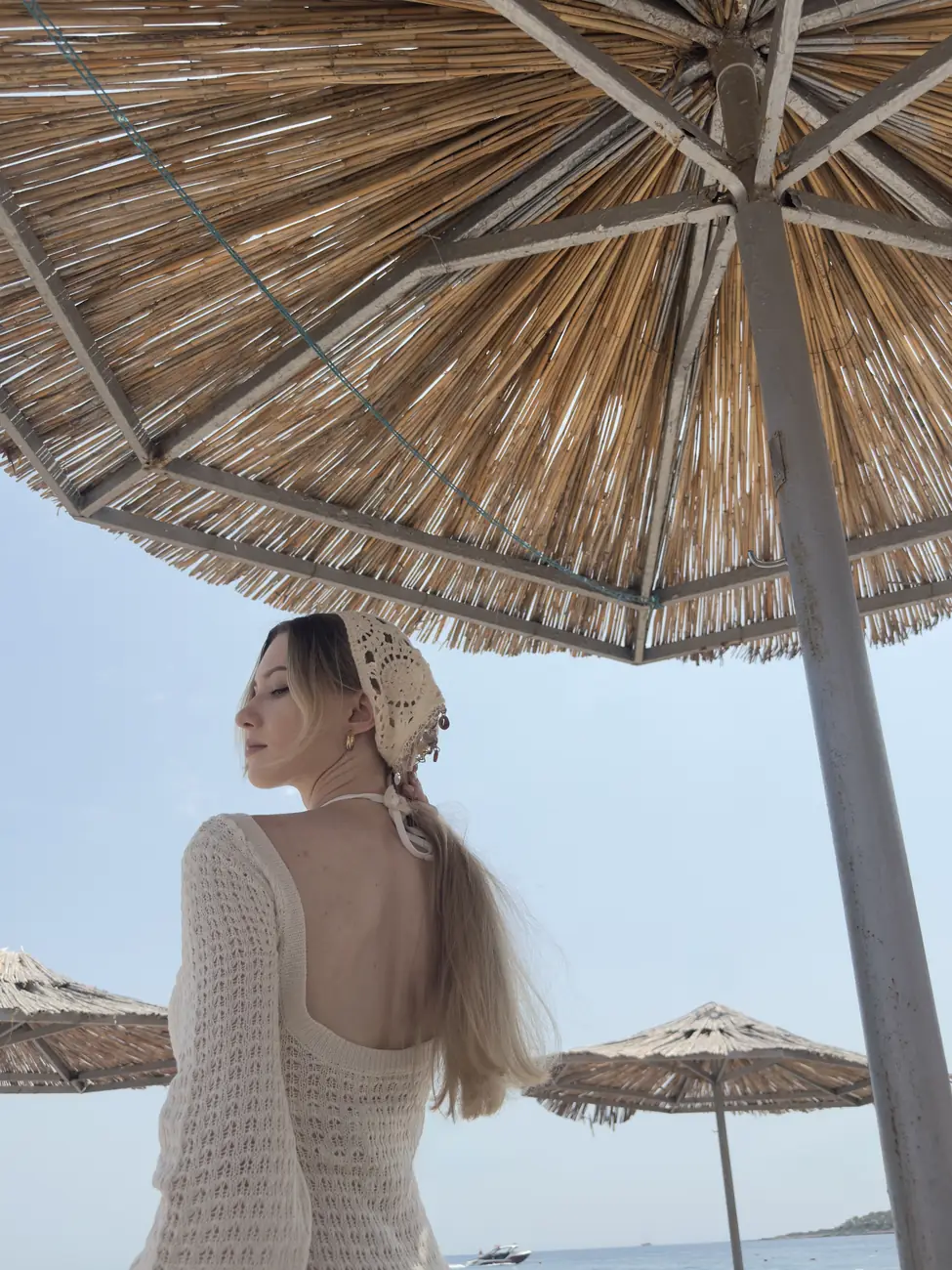
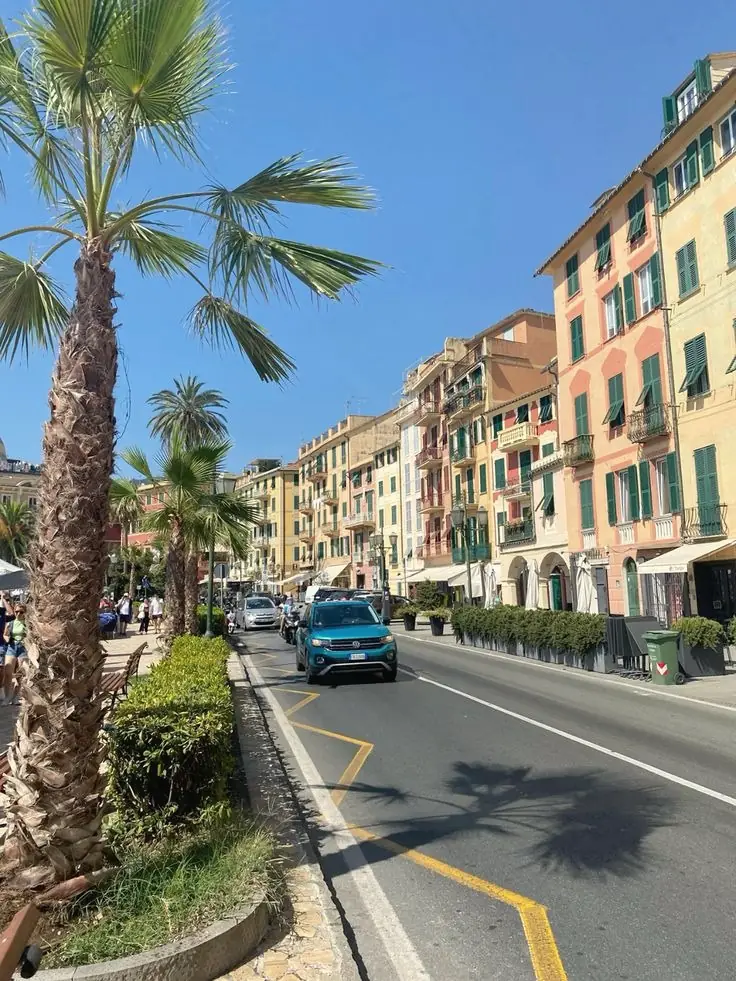
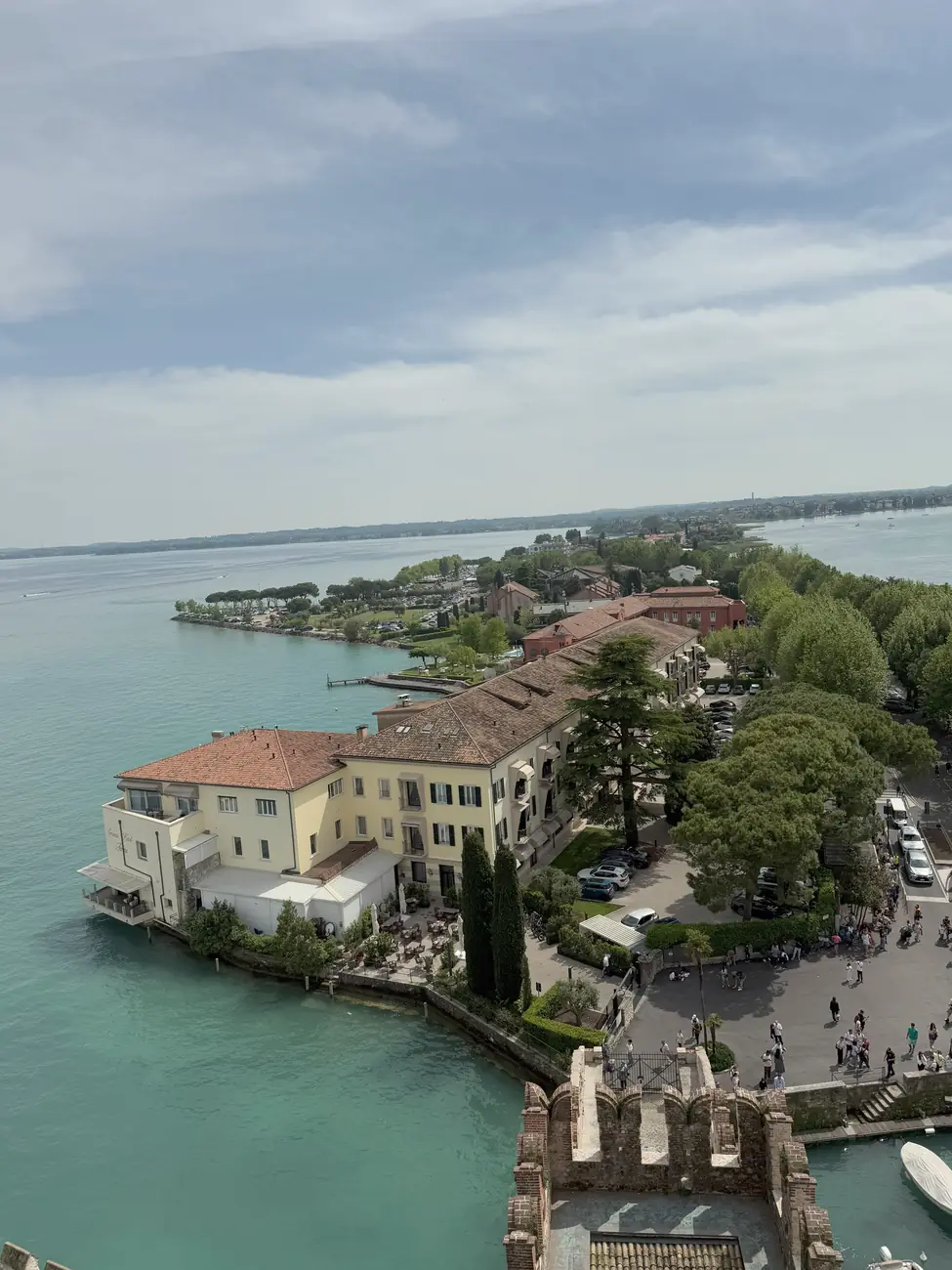
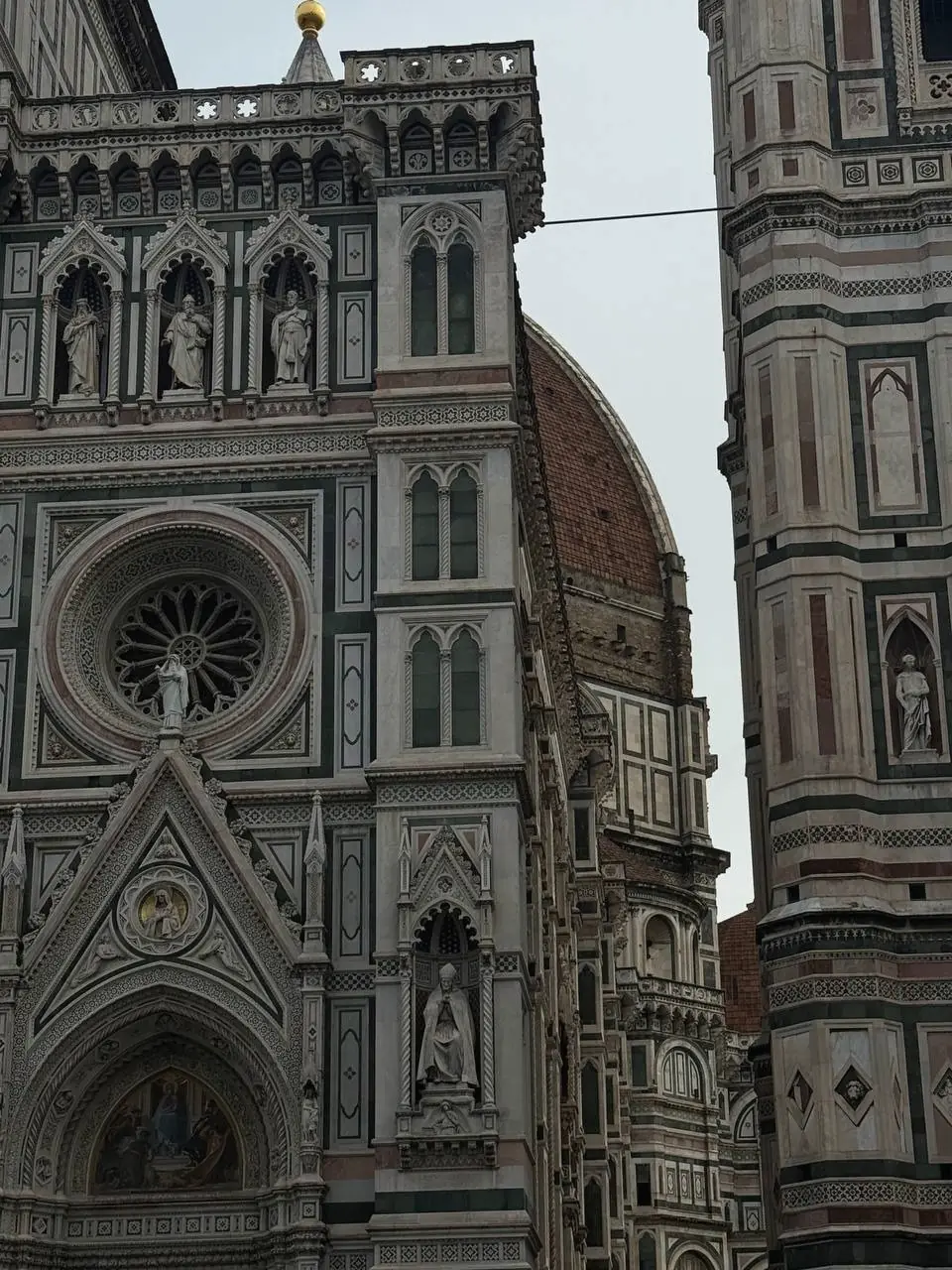
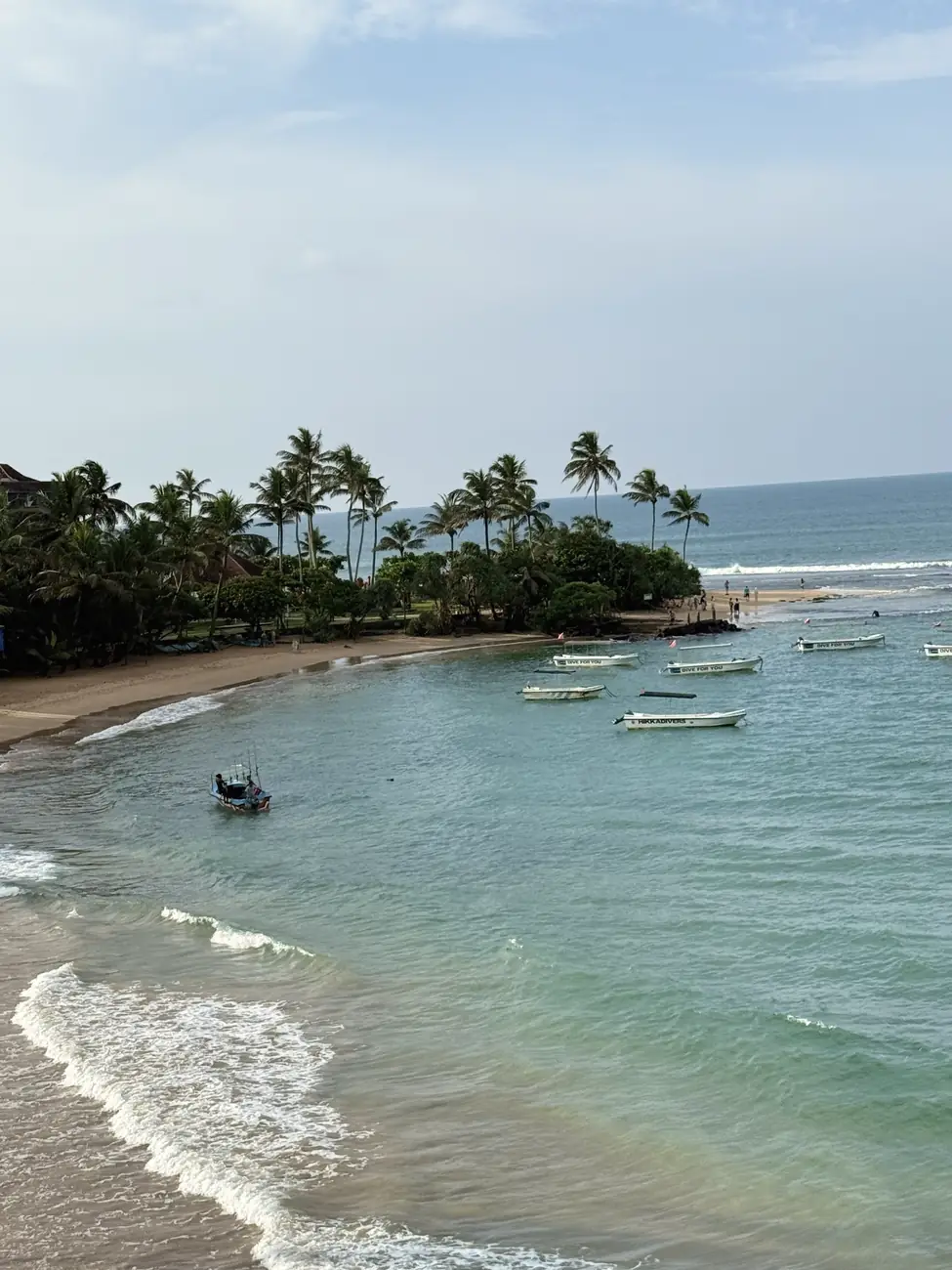
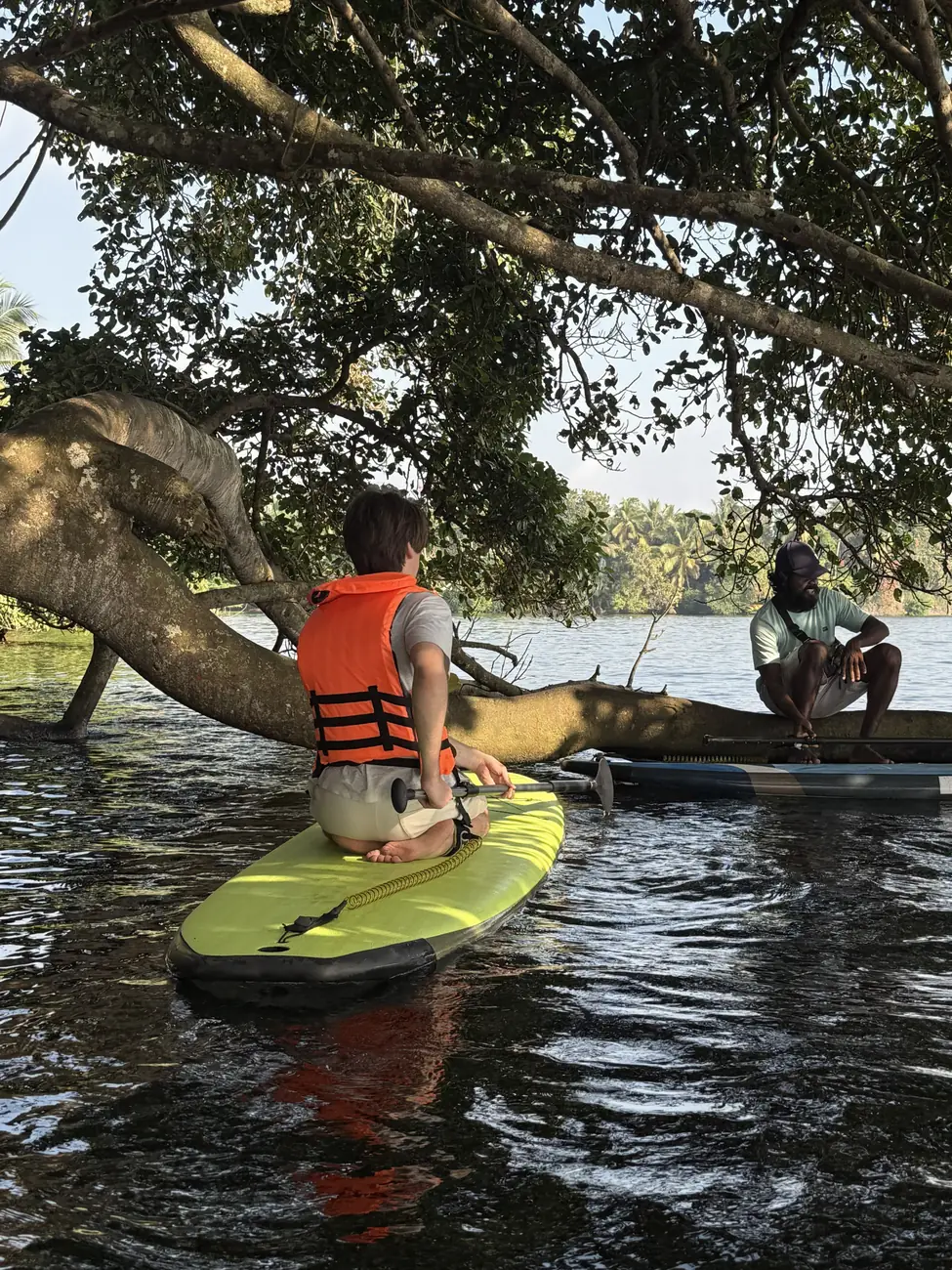
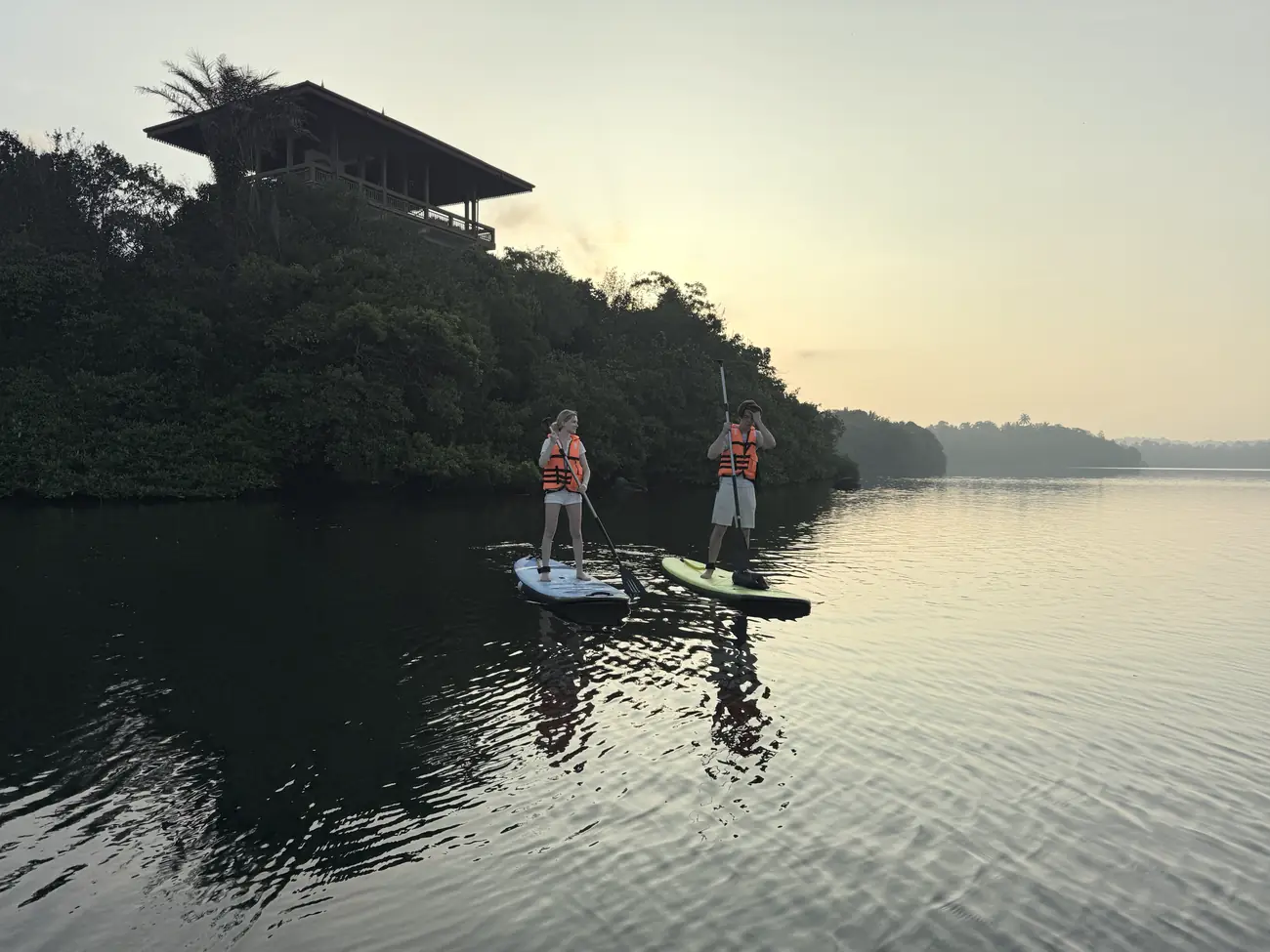
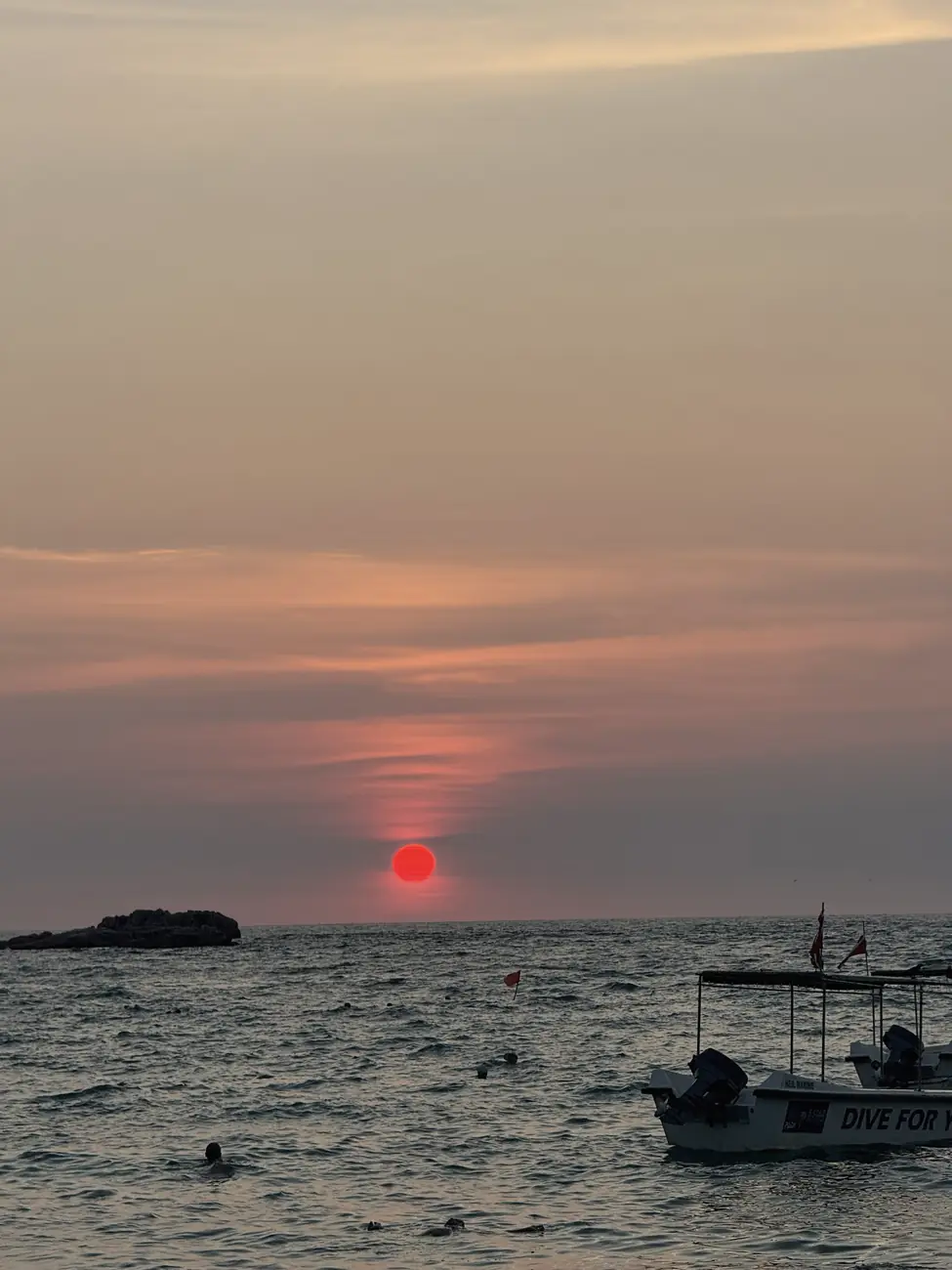
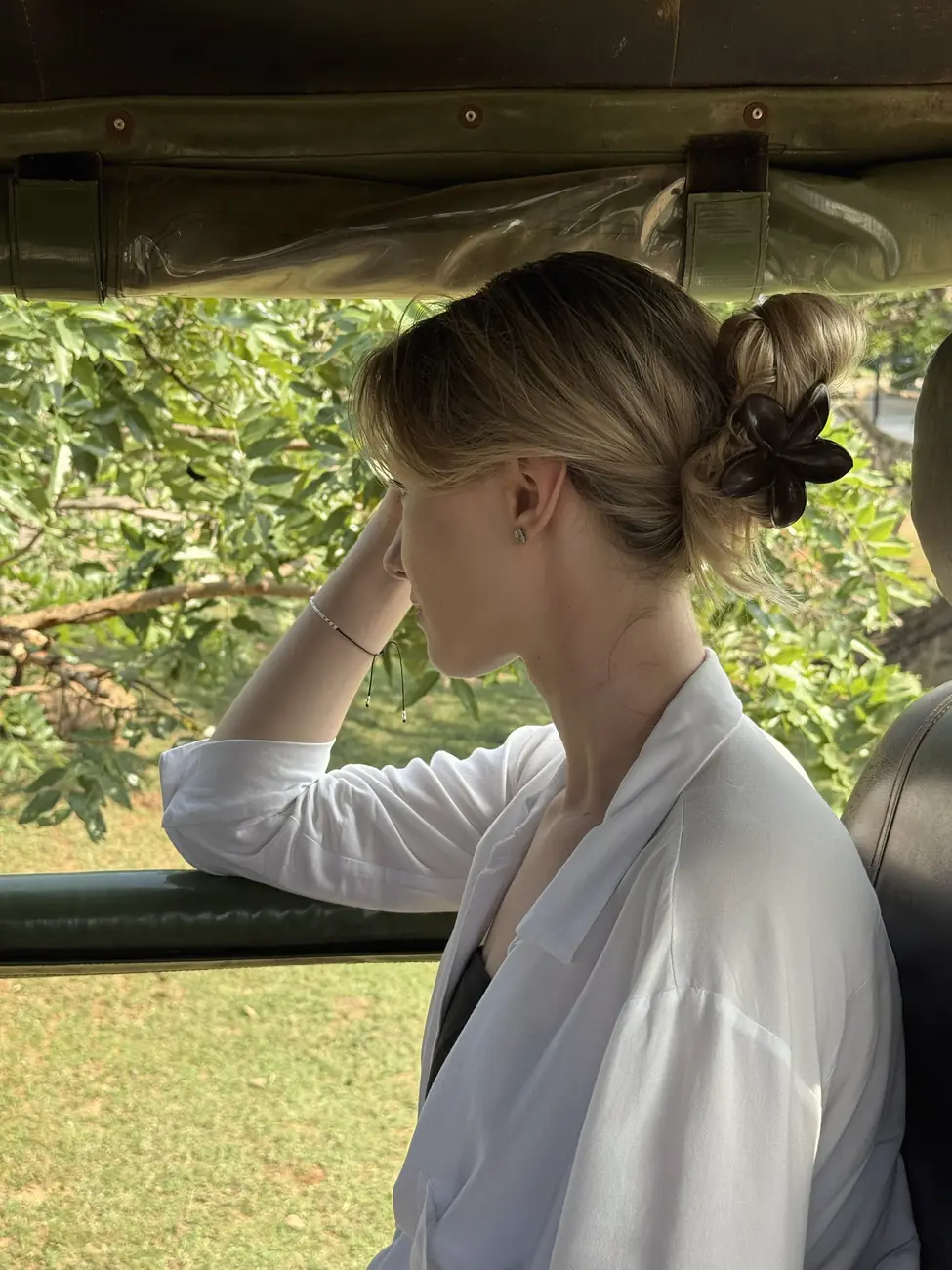
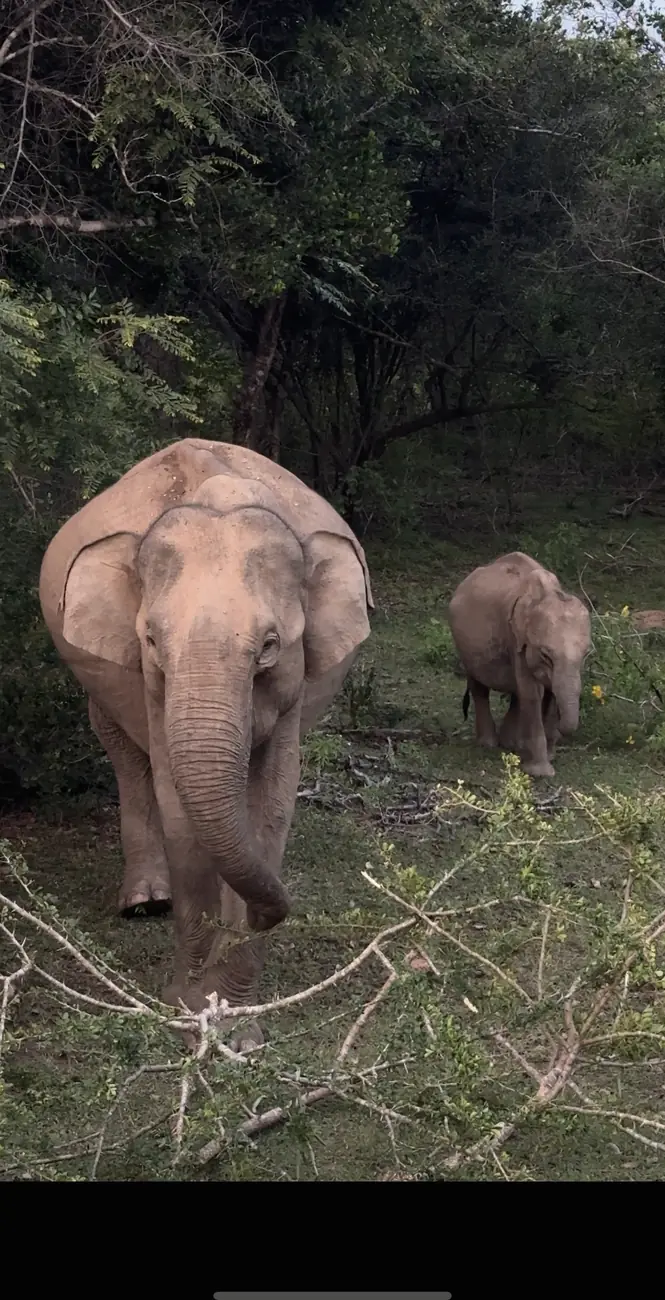
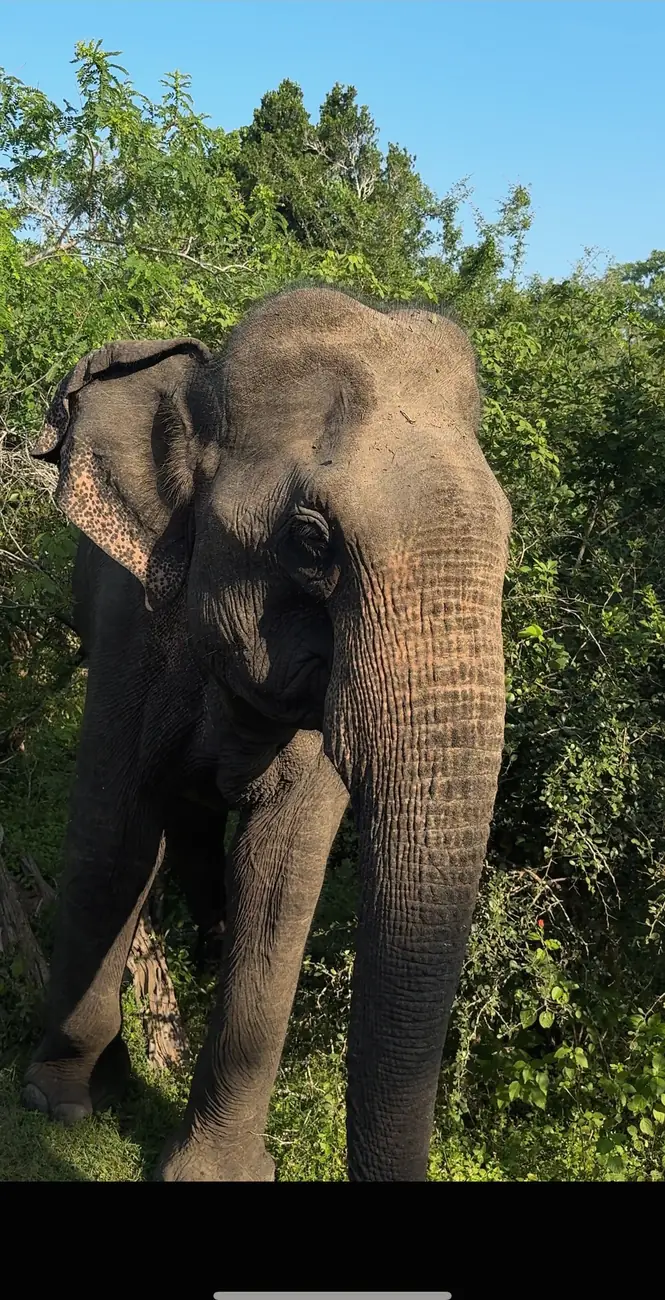
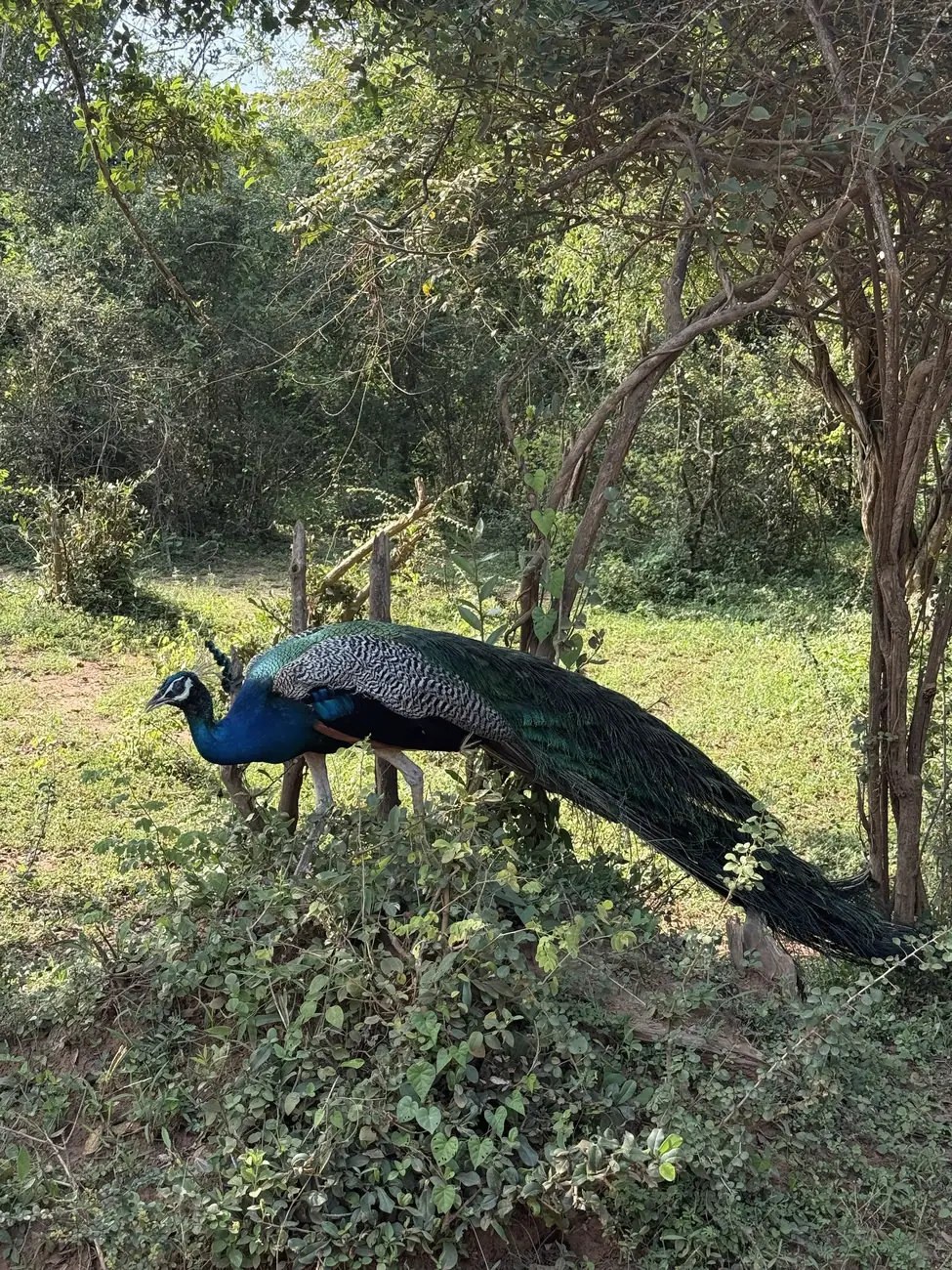
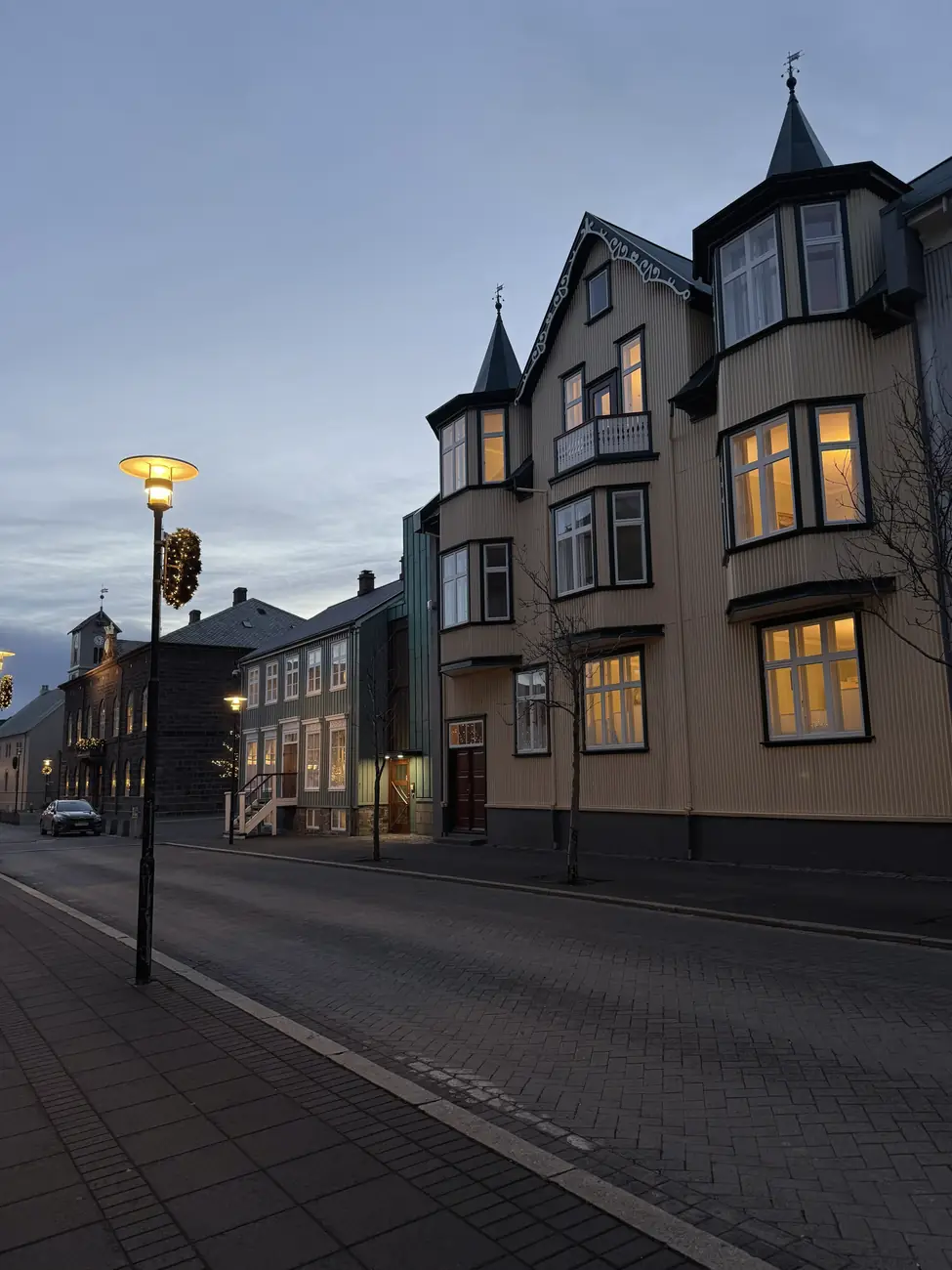
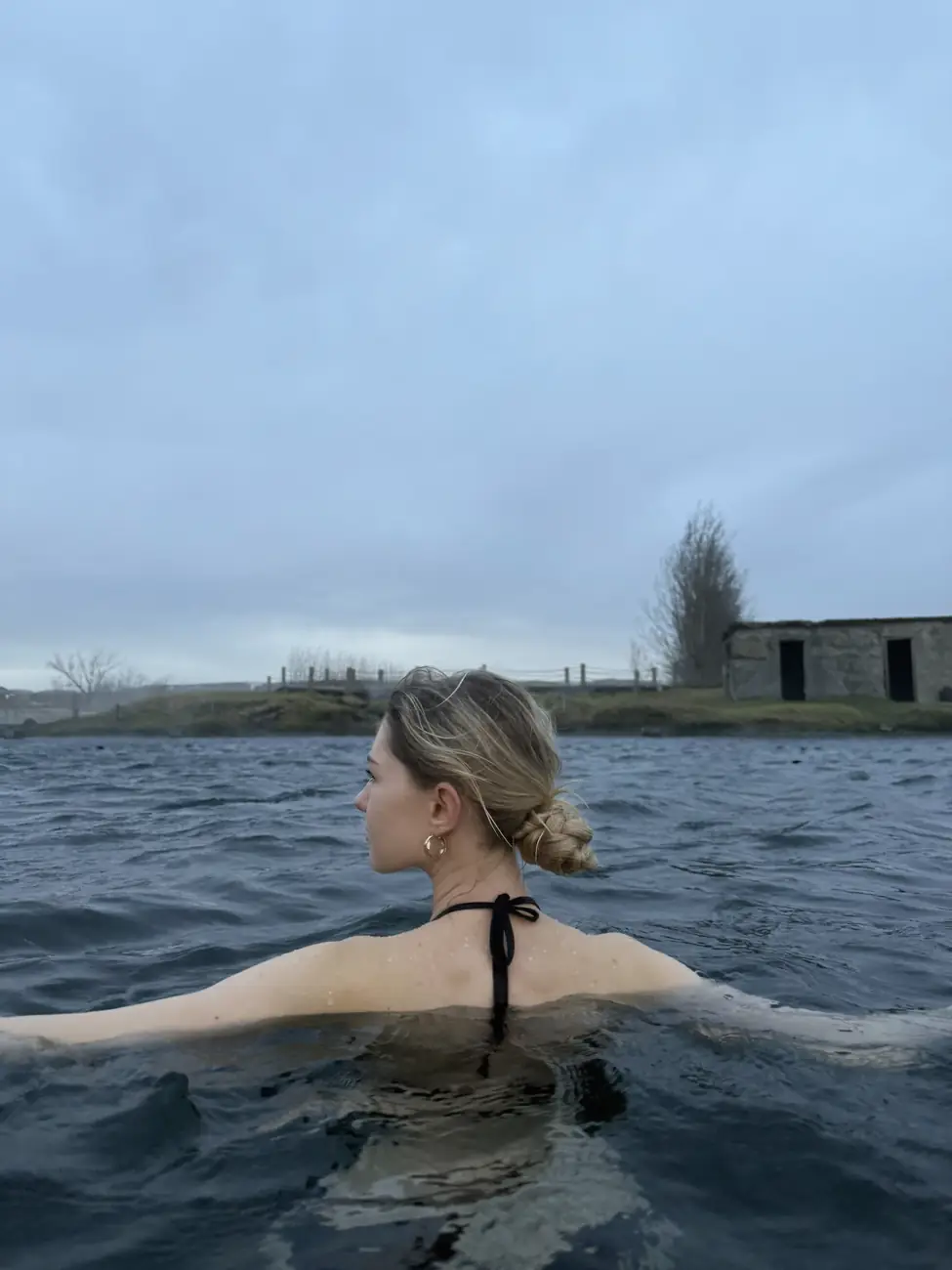
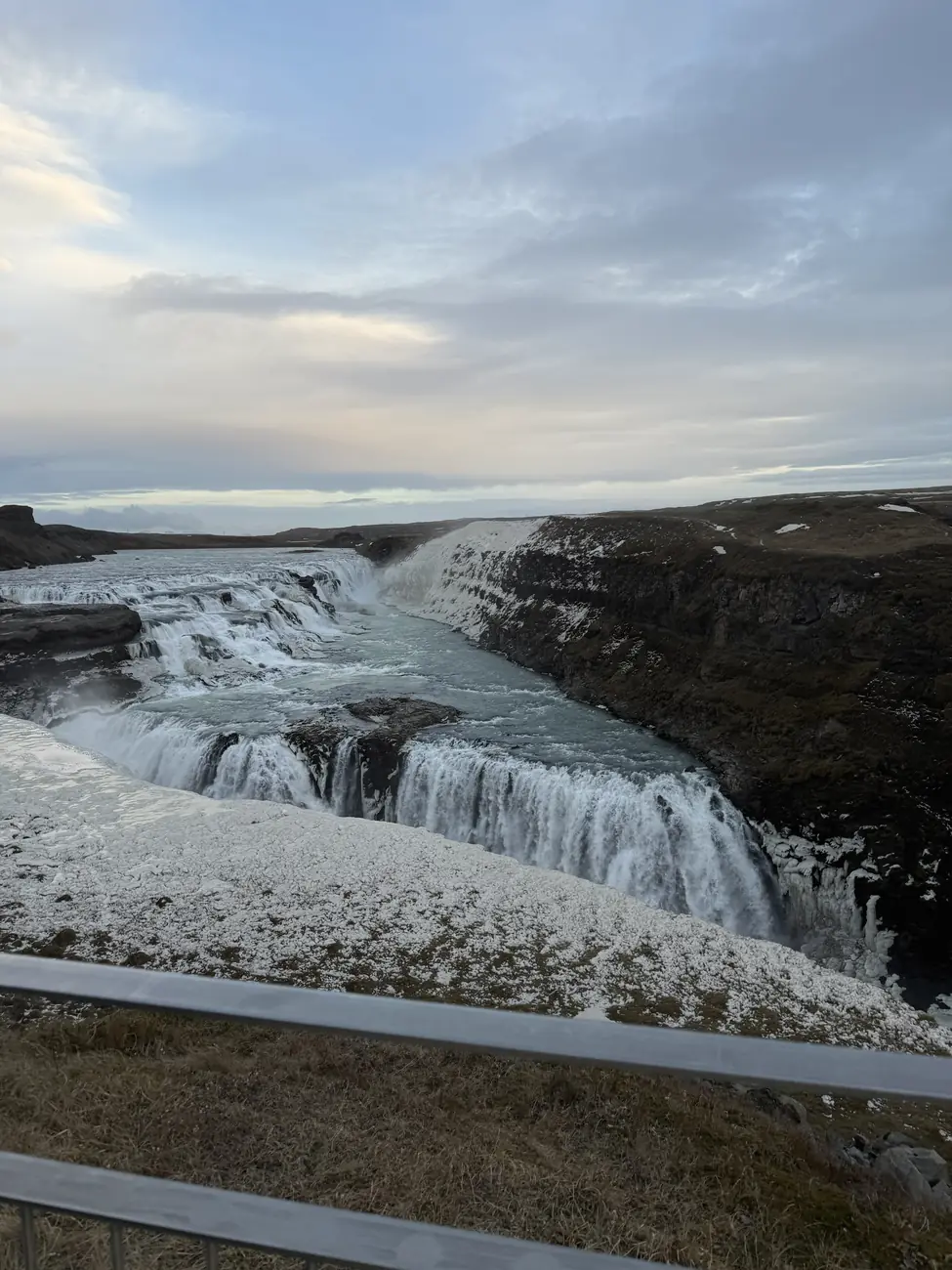
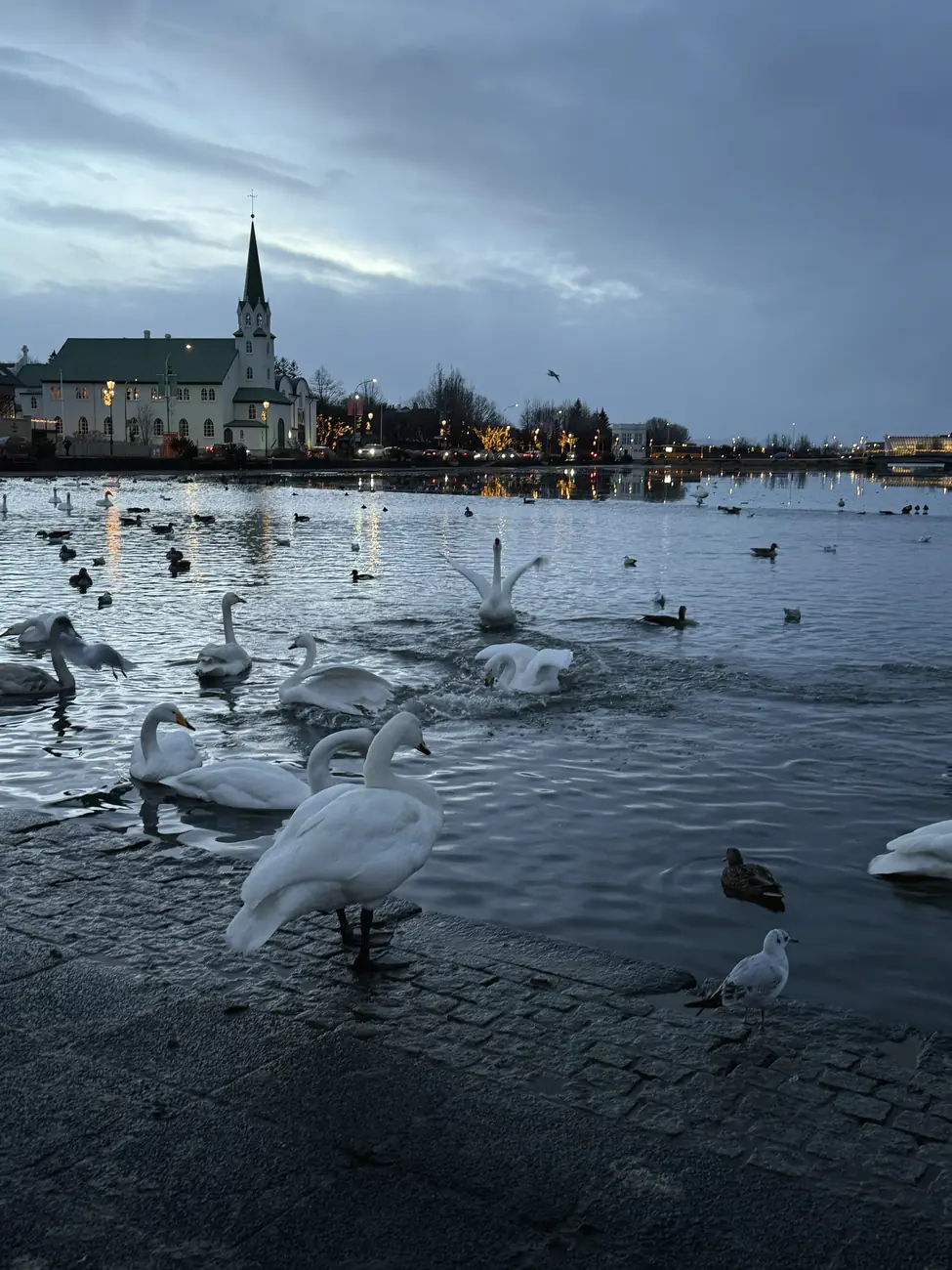
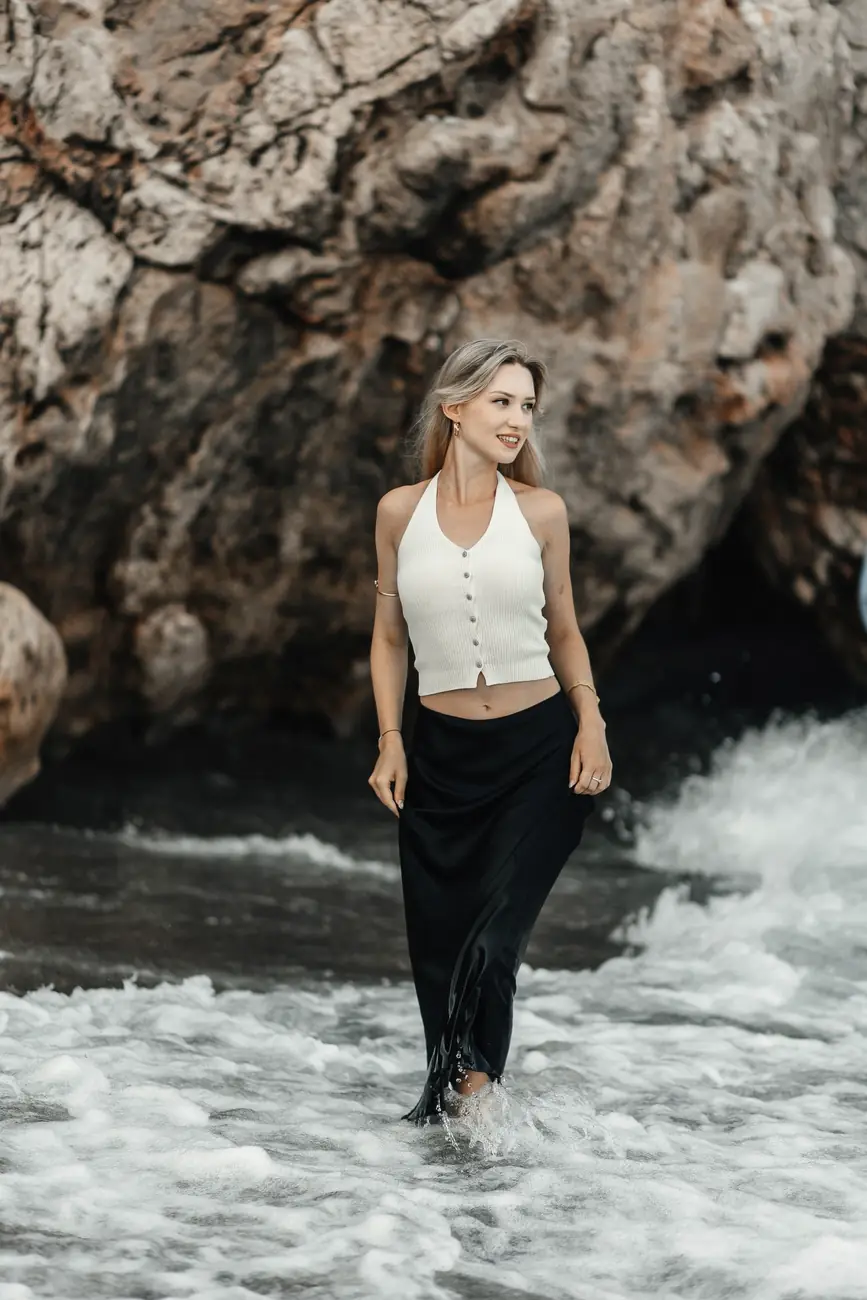
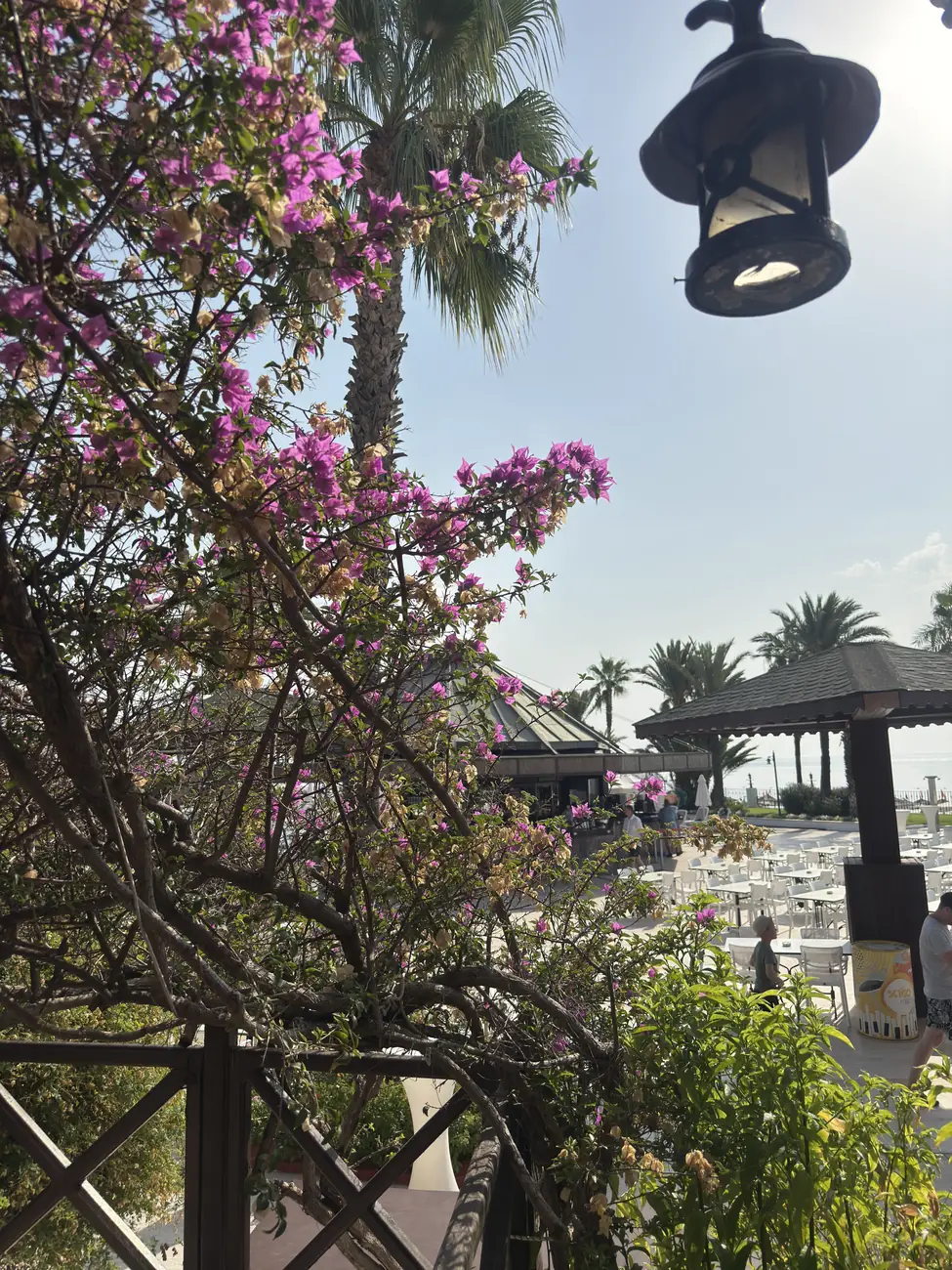
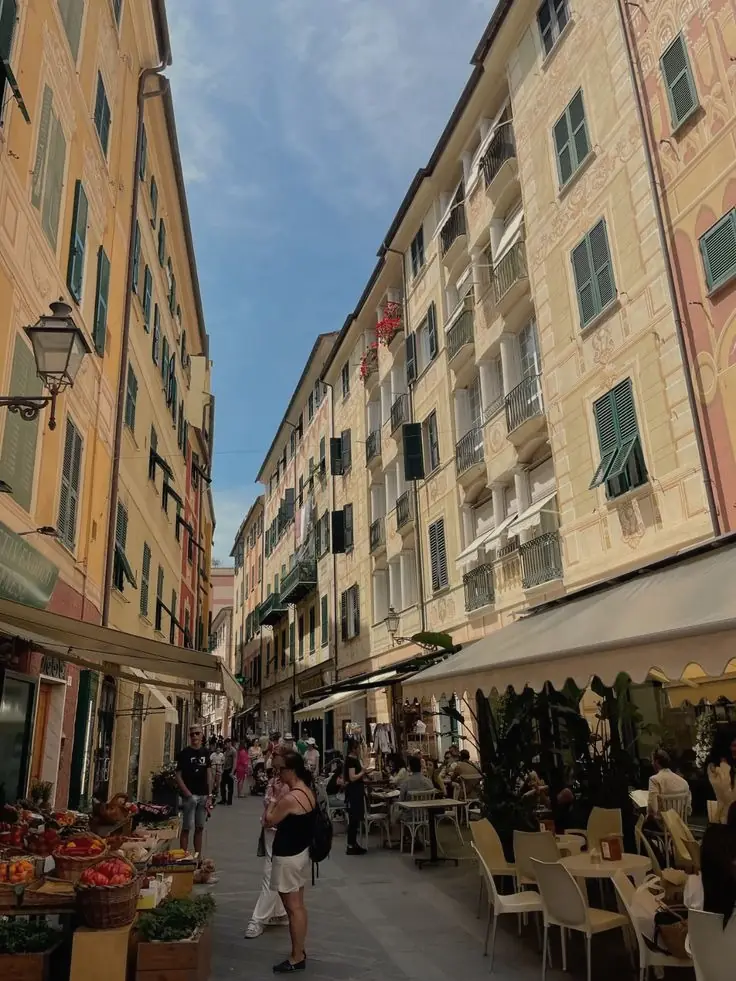
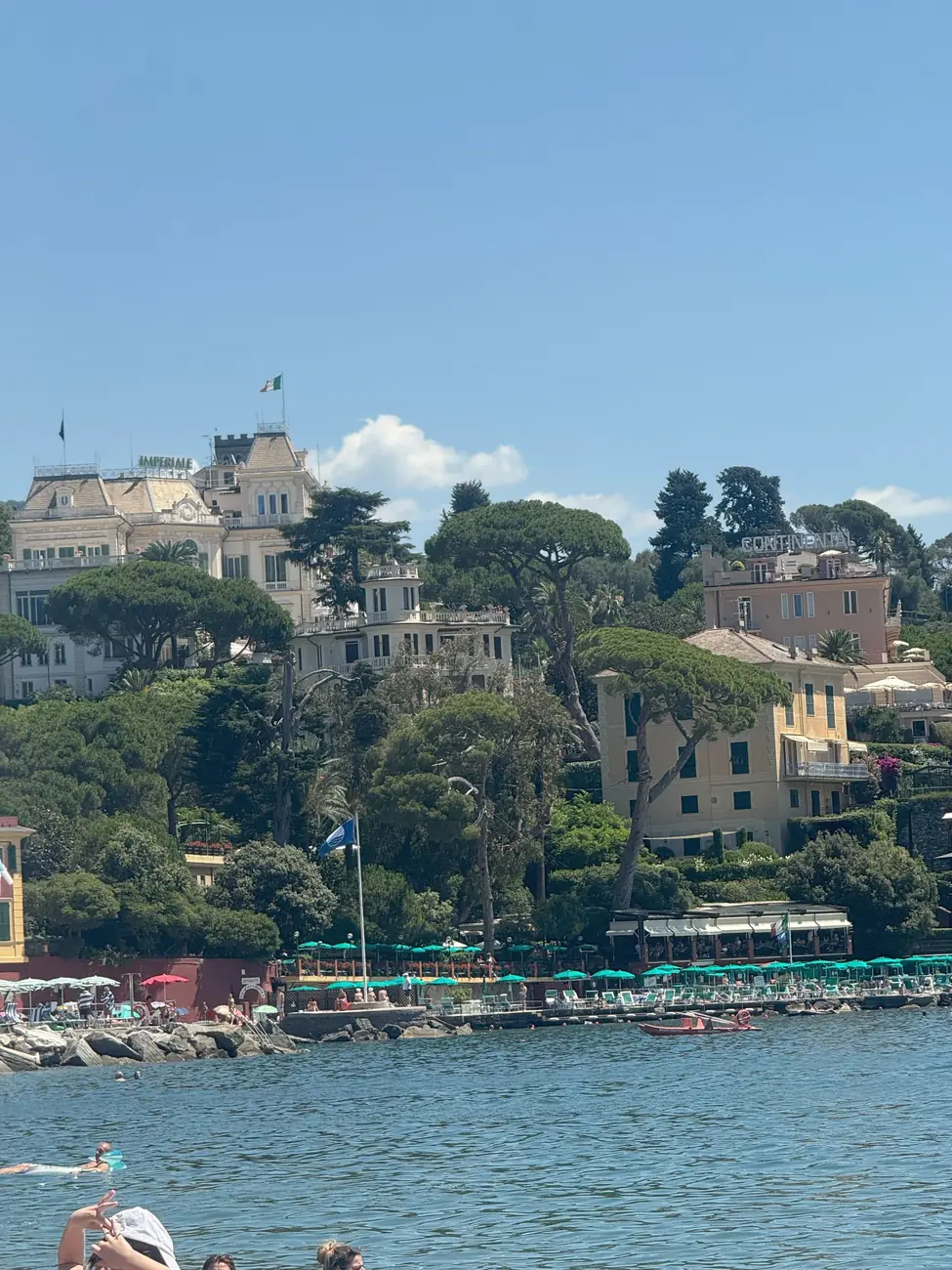
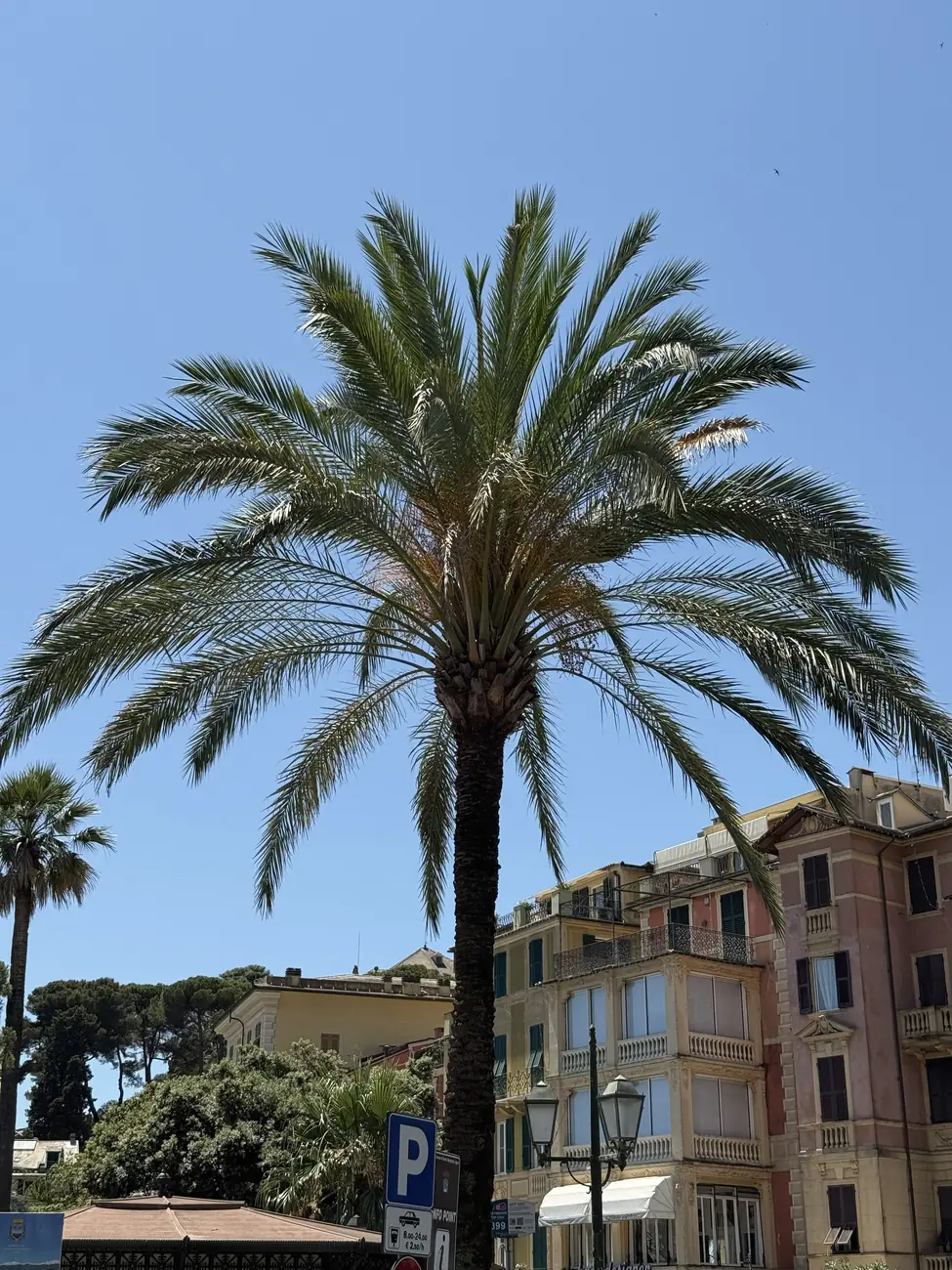
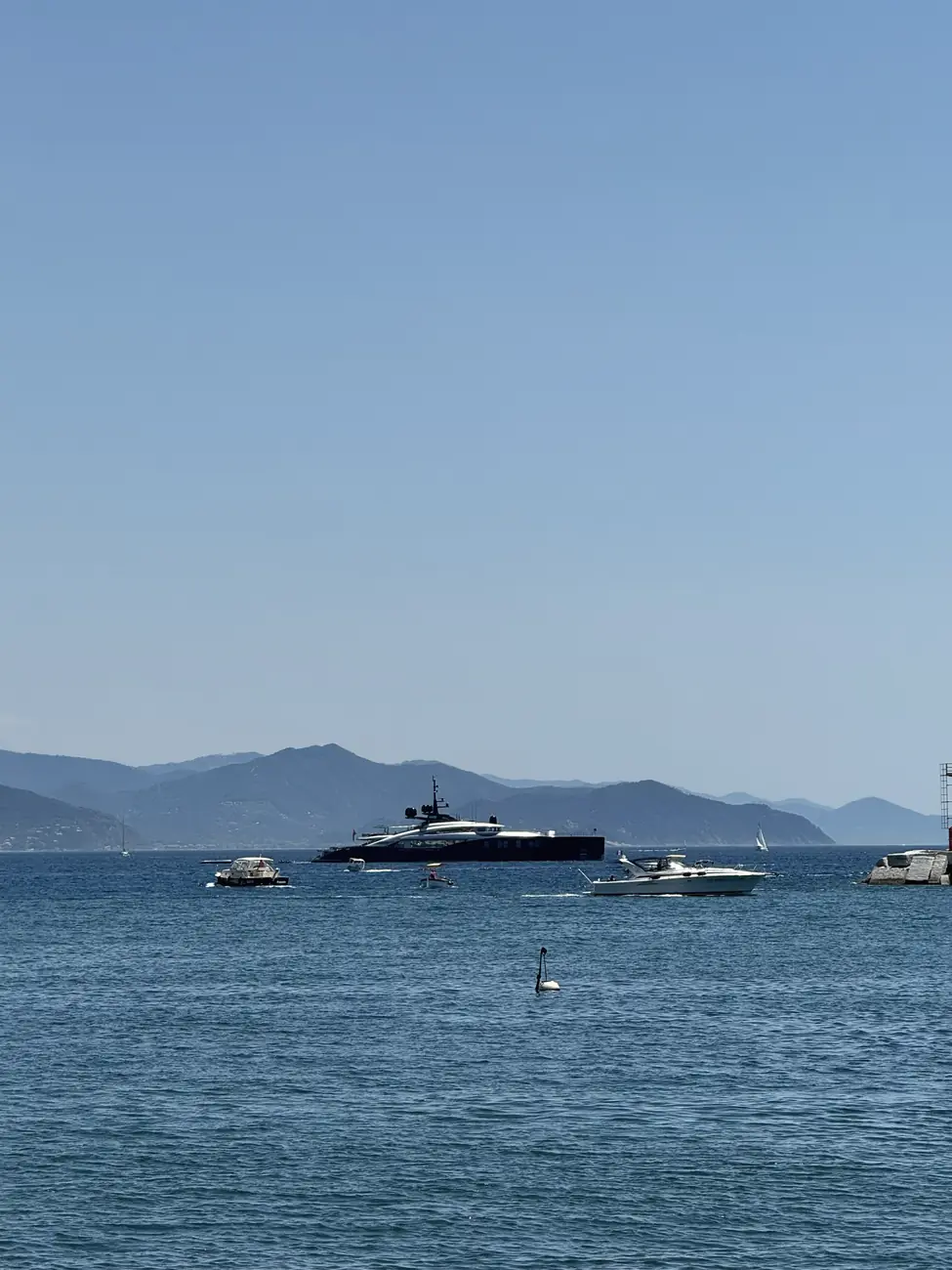
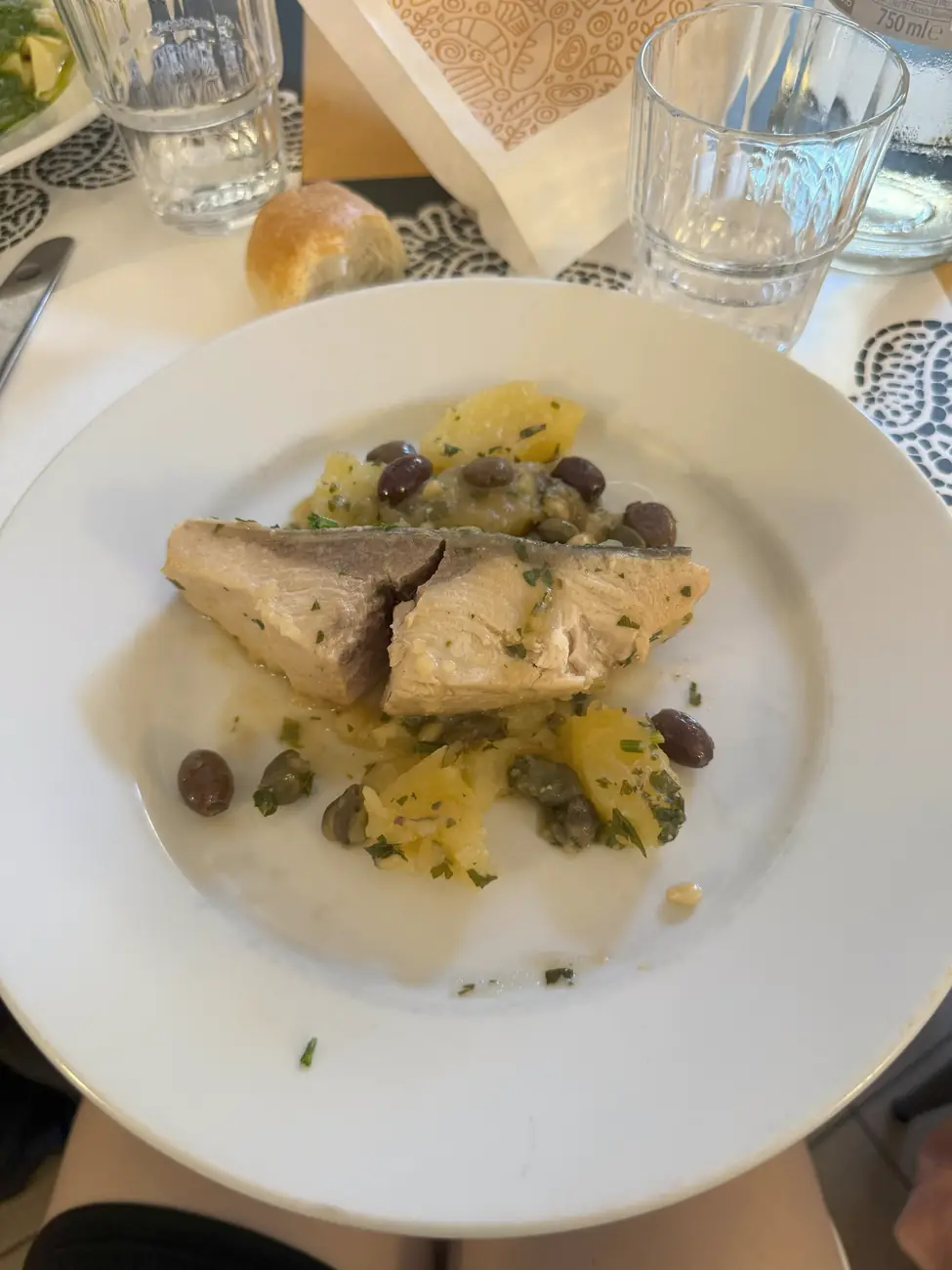
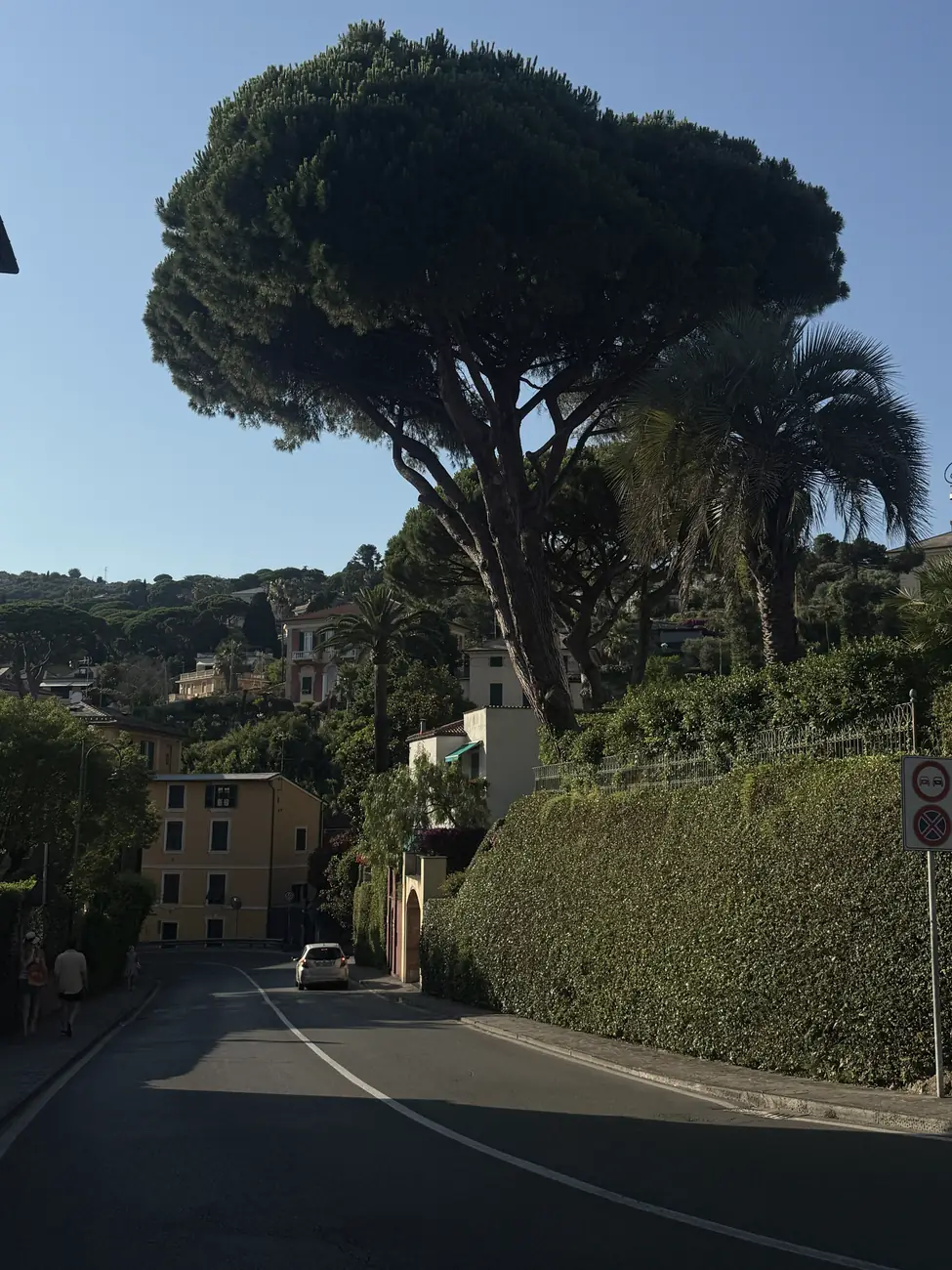
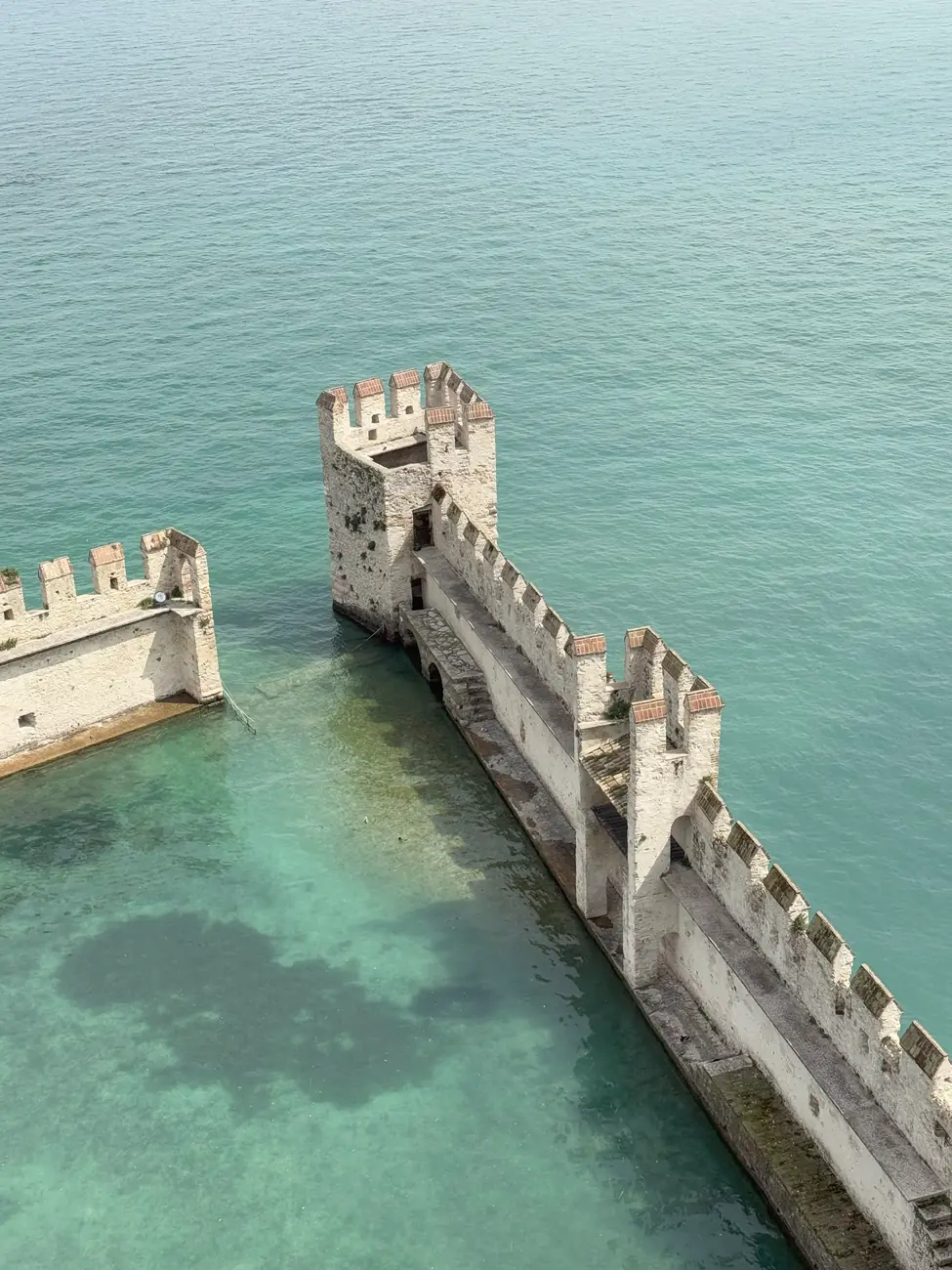
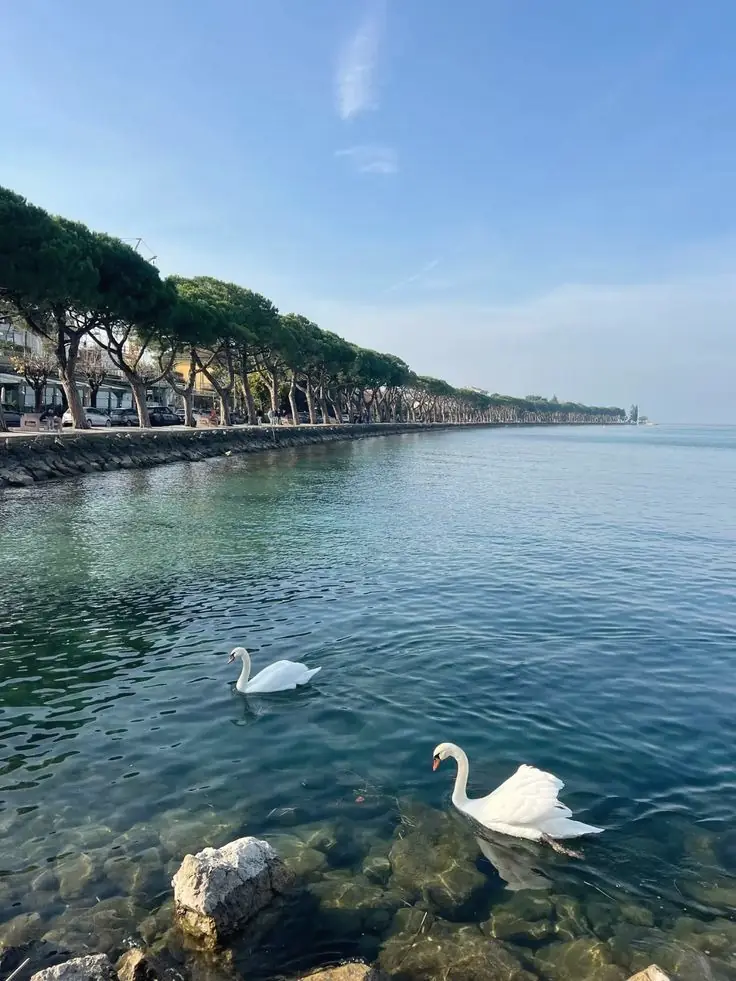
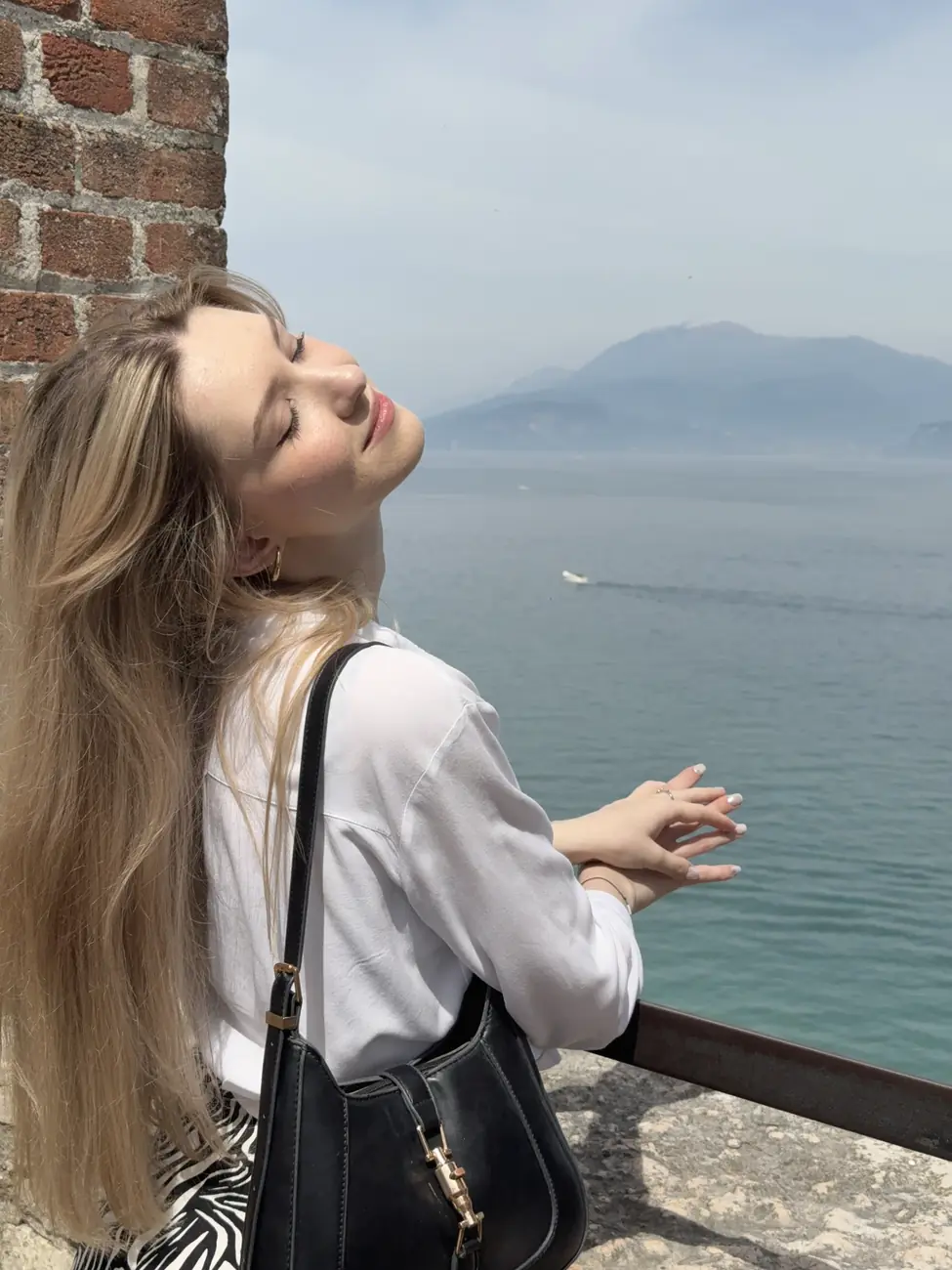
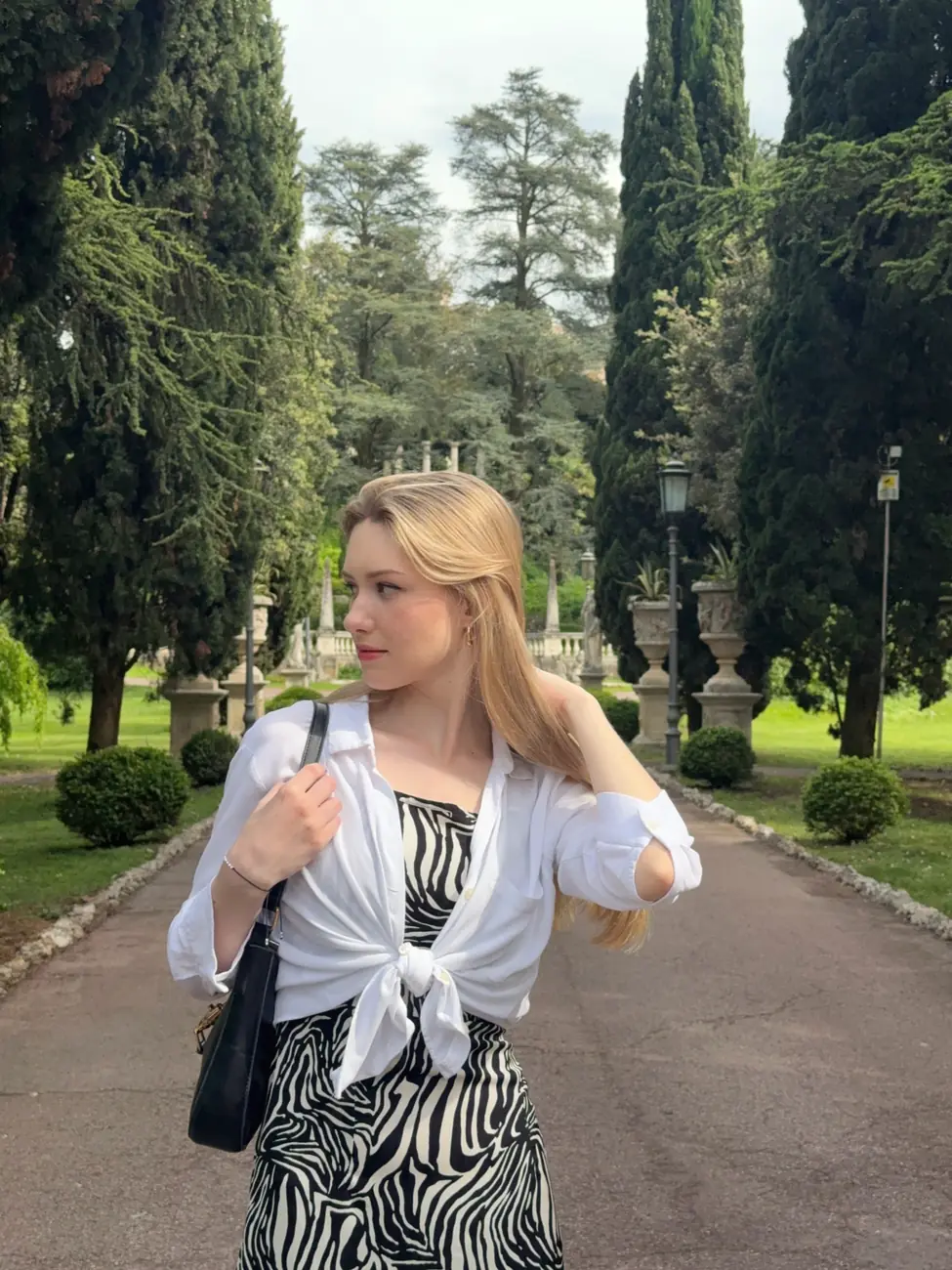
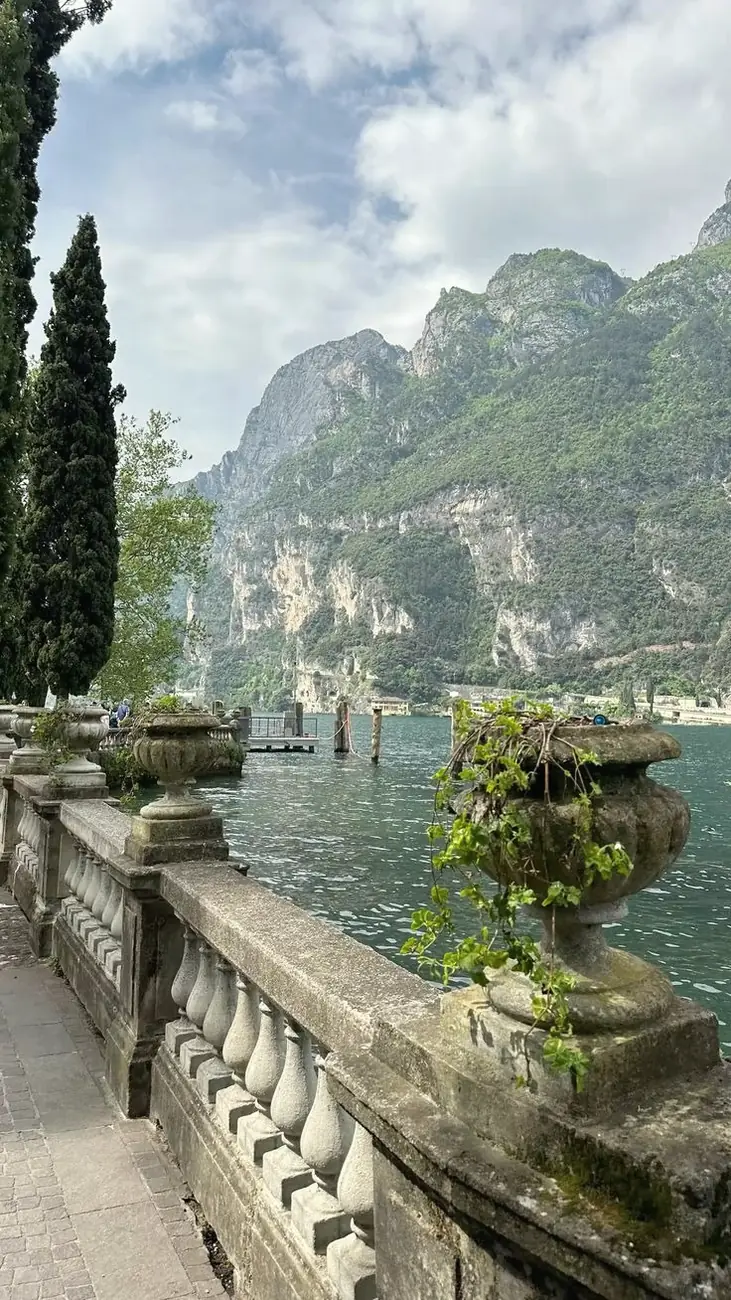
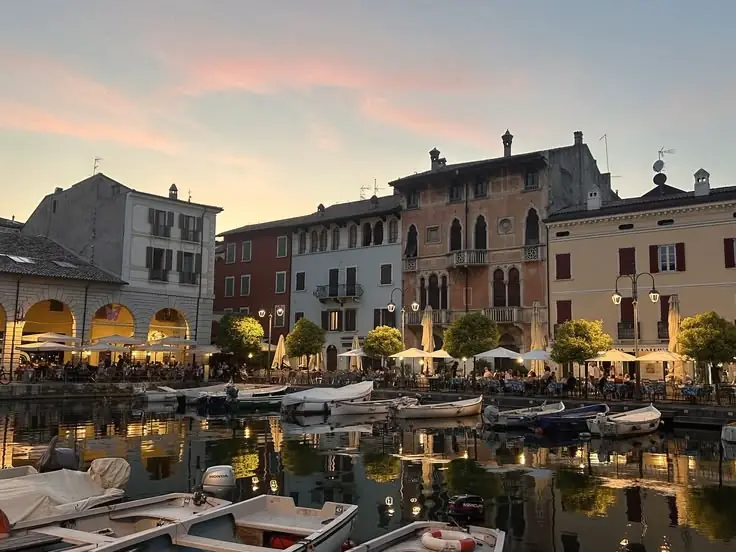
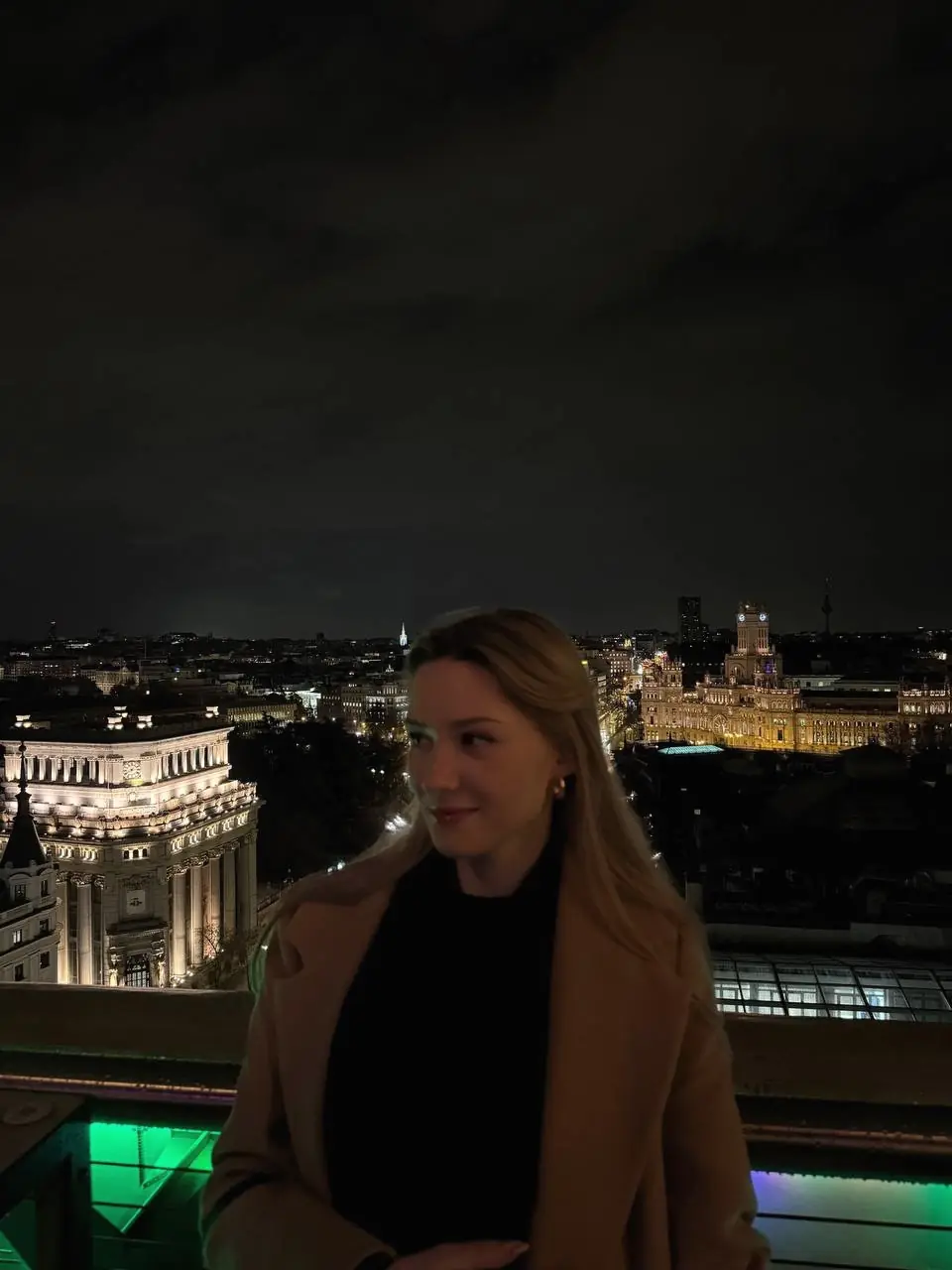
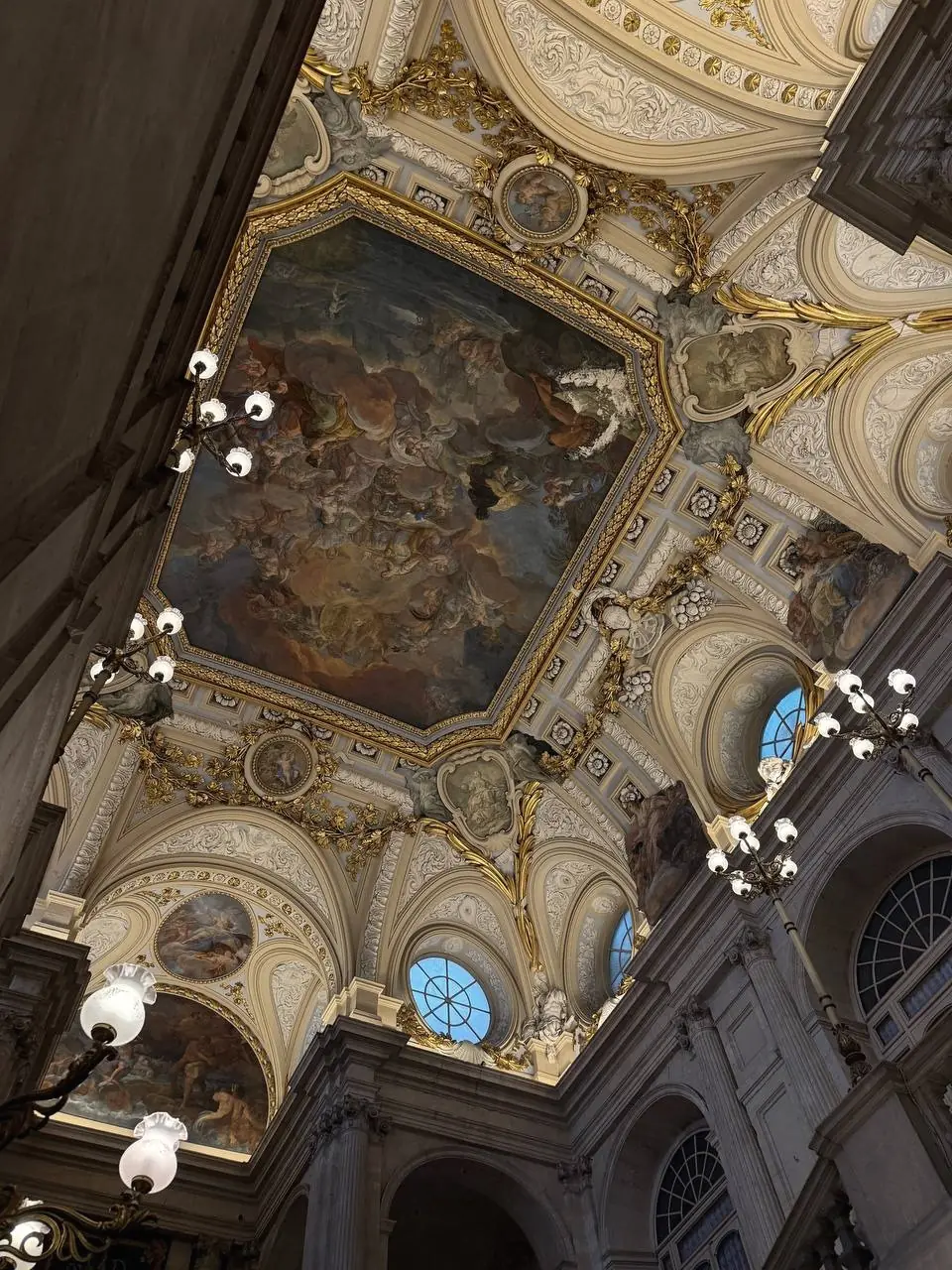
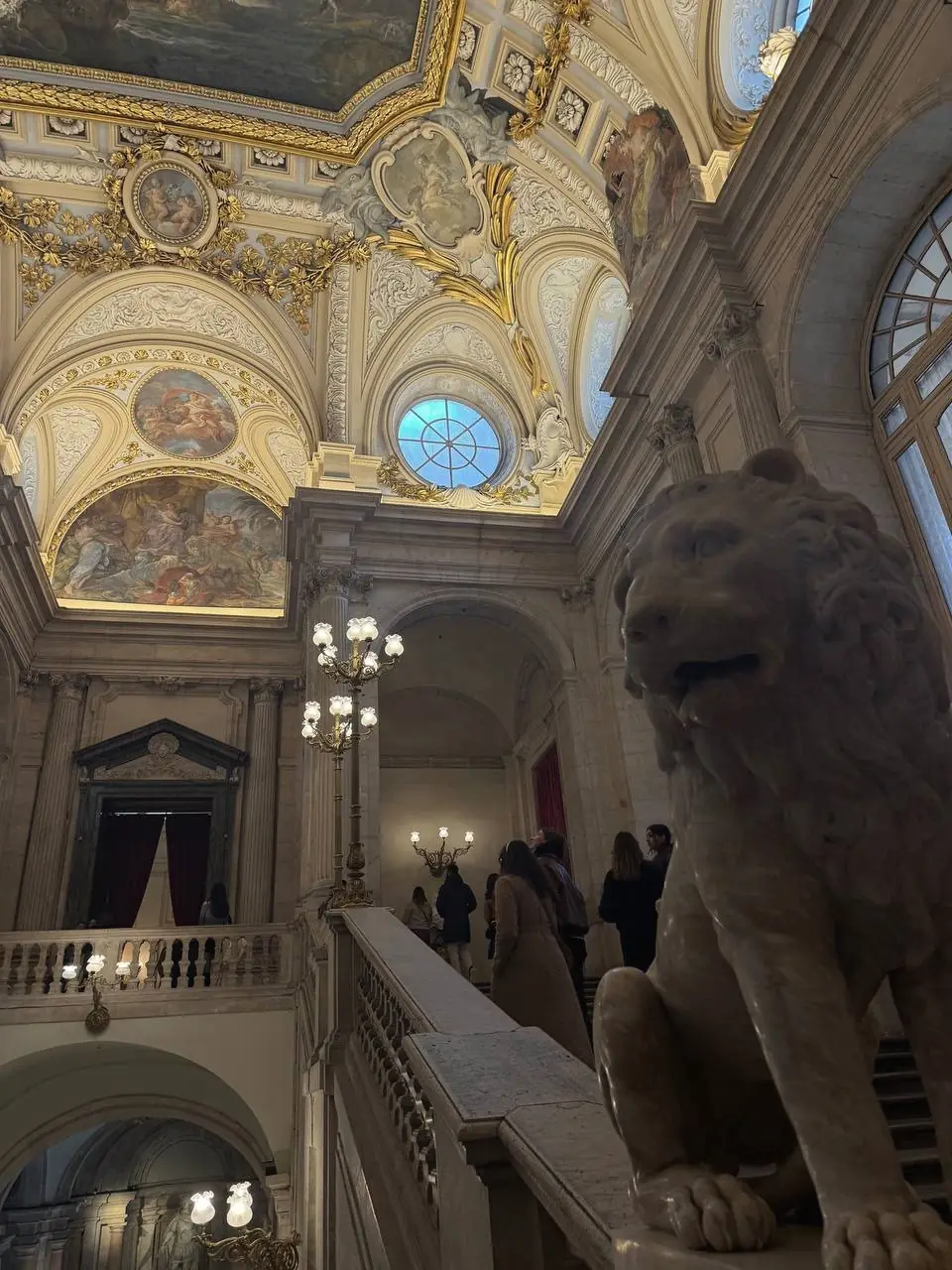
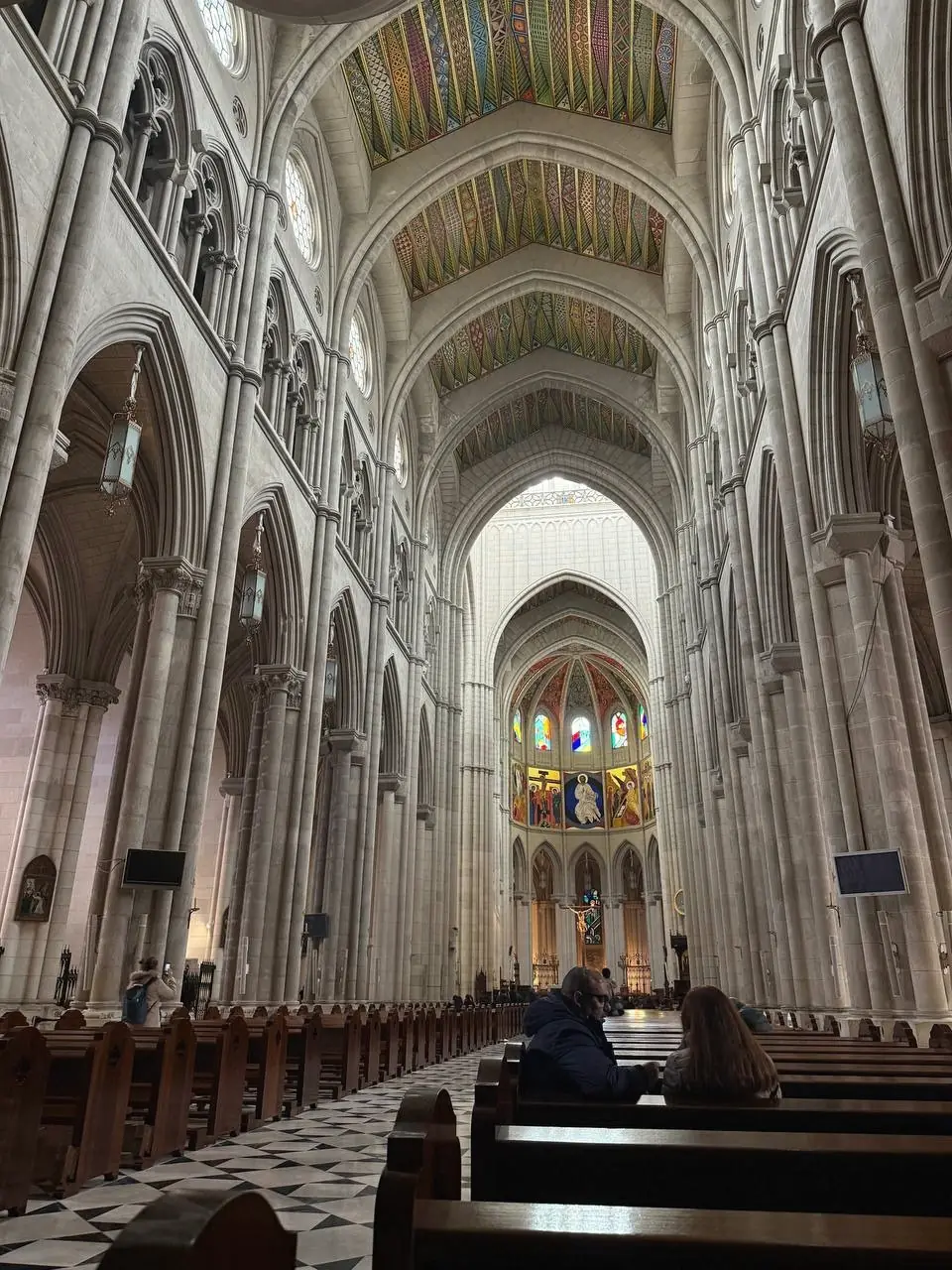
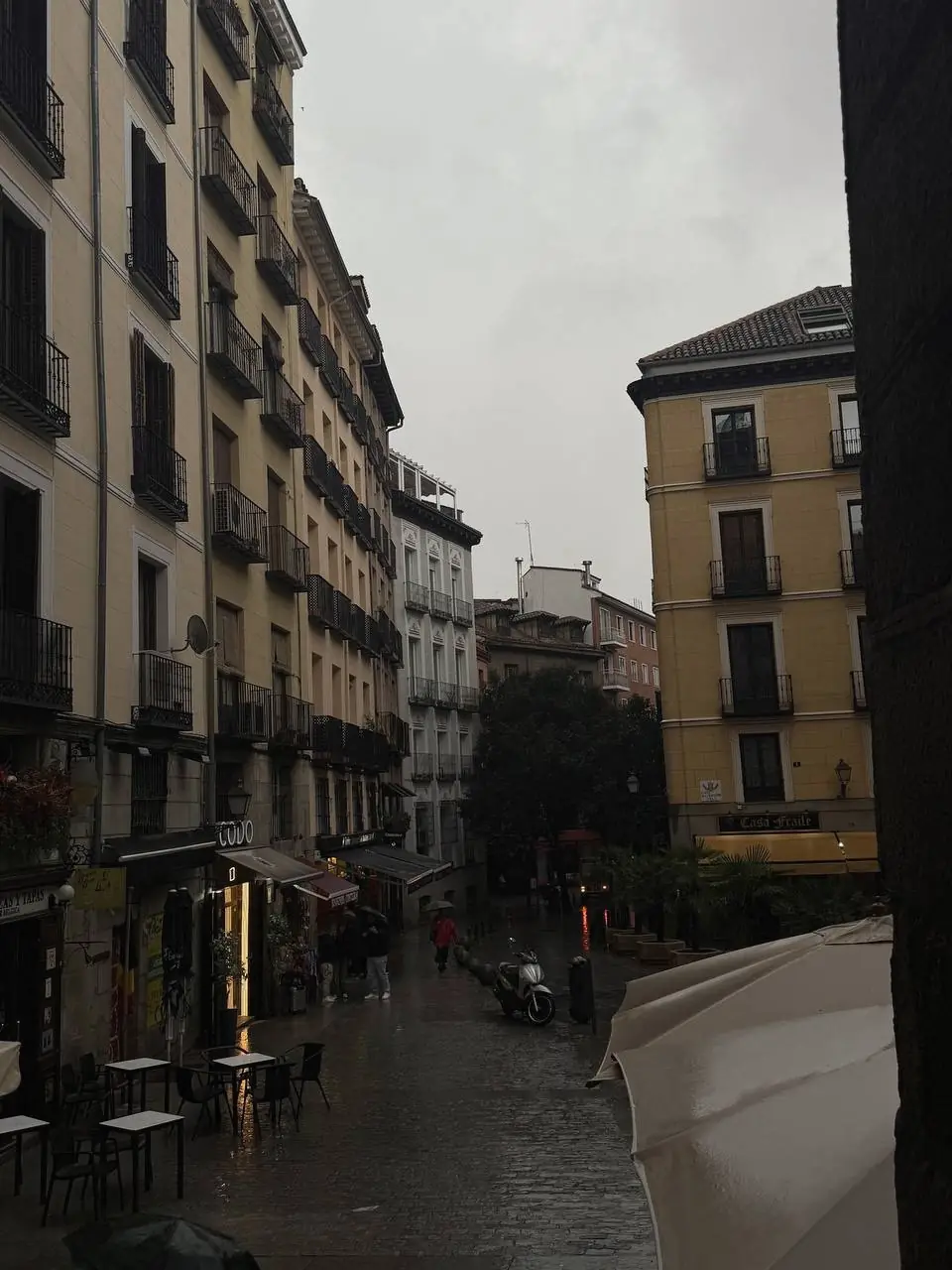
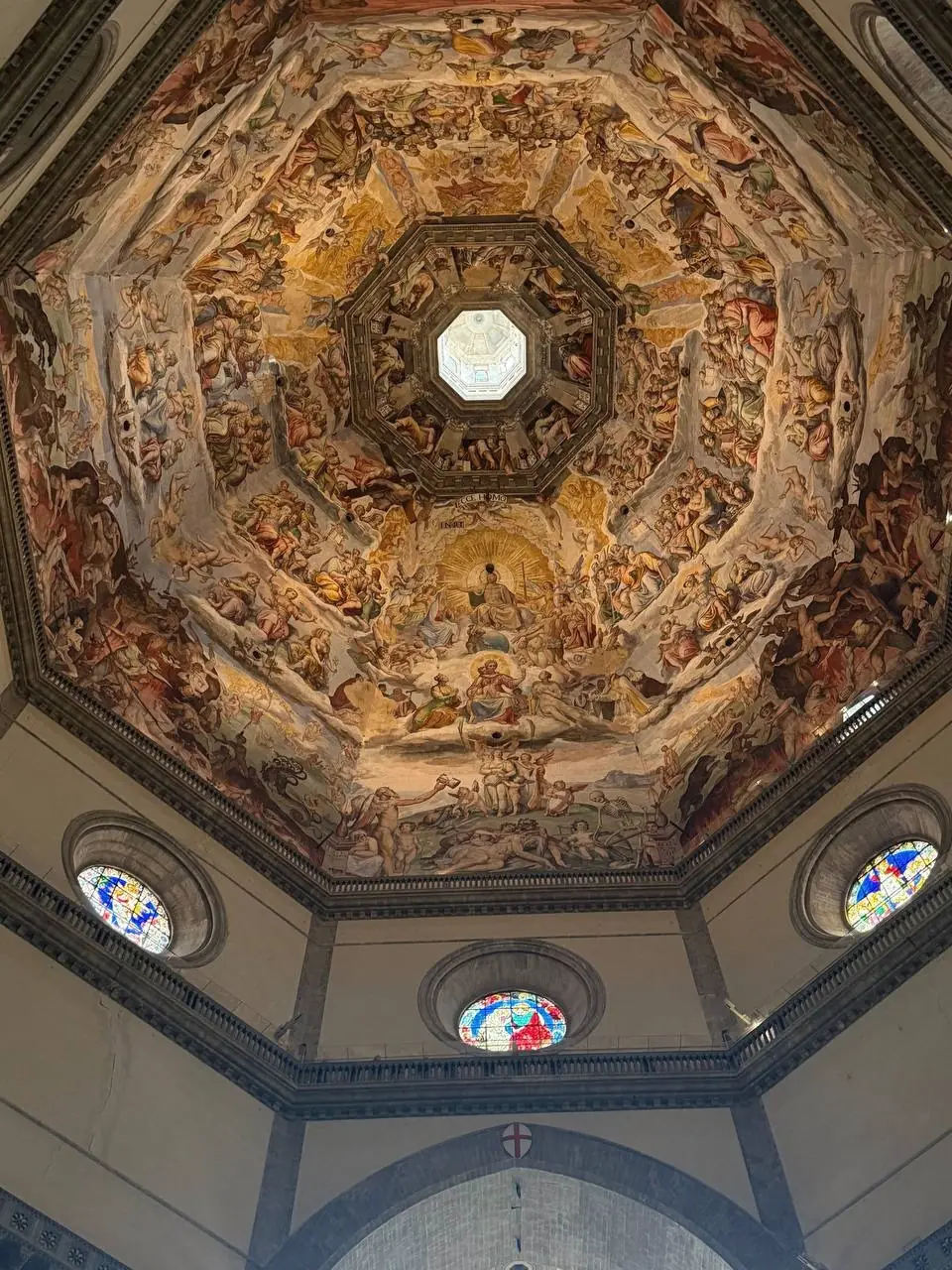
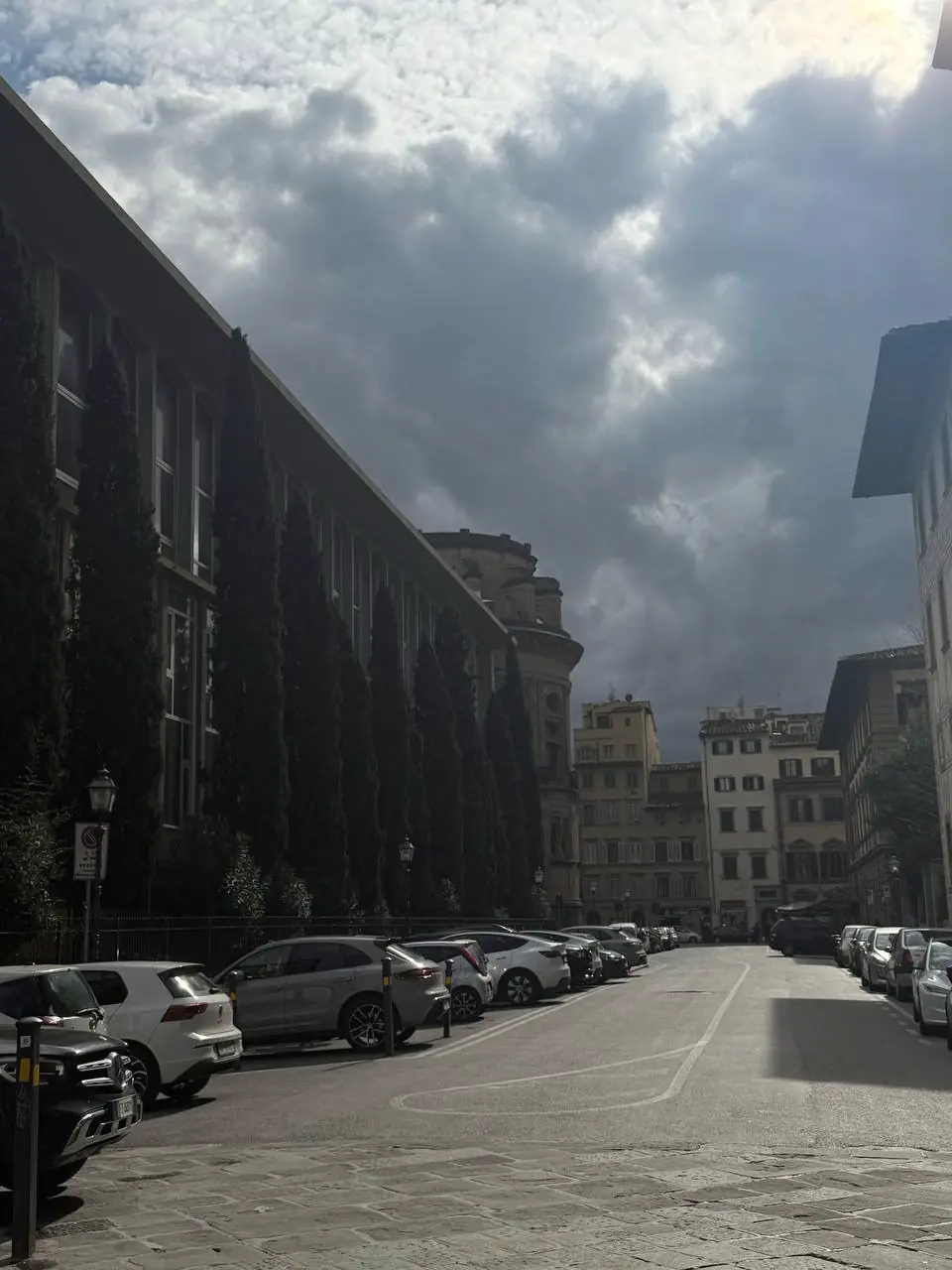
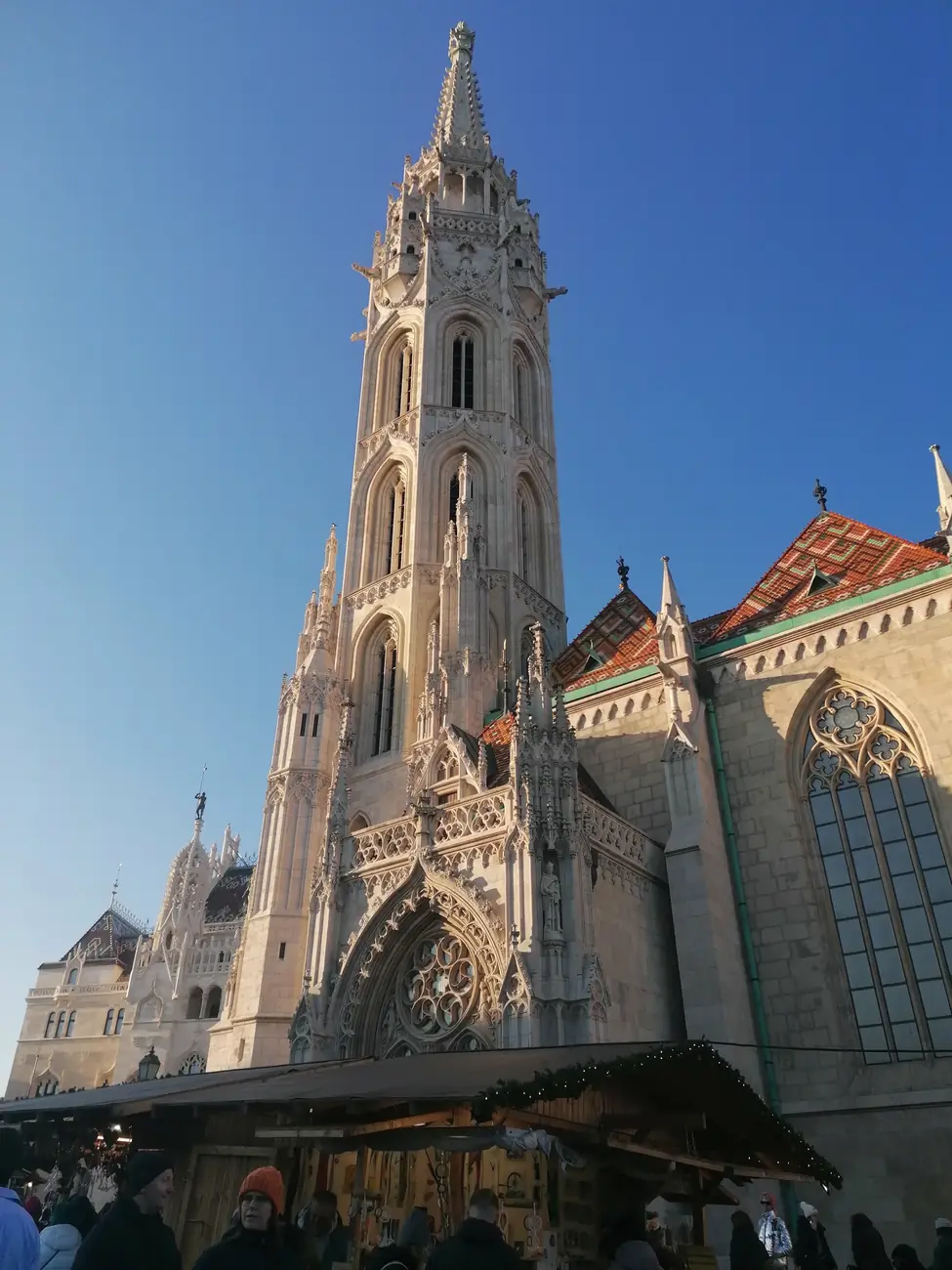
I grew up dreaming of the big world. Here are a few of the places where the dream turned into streets, water and people.